

Education & Training, Clinical Outcomes & Patient Safety, Global Health & Access
To support the professional growth of those who care for others
The Johnson & Johnson Medtech harnesses the size, reach, collective resources and passion of the Johnson & Johnson Family of Companies to support the professional growth of those who care for others.
This means leveraging Johnson & Johnson’s global footprint and expertise to provide health care professionals with ongoing learning opportunities that result in improved patient outcomes.
Today, the Johnson & Johnson Institute has 24 centers on five continents. And through worldwide locations and online courses, the Institute hosts more than 125,000 health care professionals (HCPs) globally each year with educational options available that suit every learning preference and schedule across multiple specialties and hundreds of procedures.
Whether it’s in a classroom, an auditorium, a laboratory or remotely through online learning, we welcome you to join us in learning, connecting and sharing knowledge anytime, anywhere.
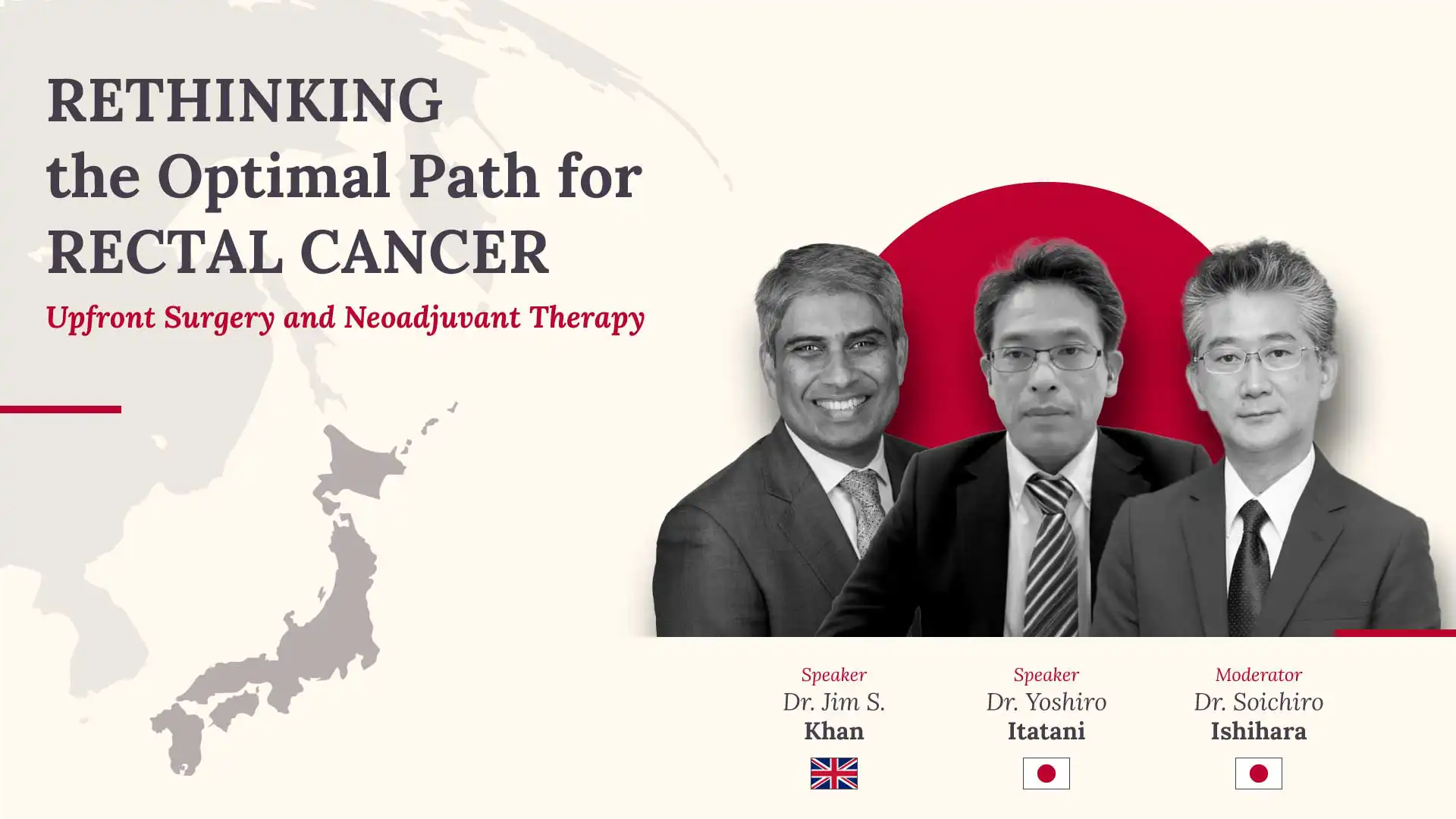
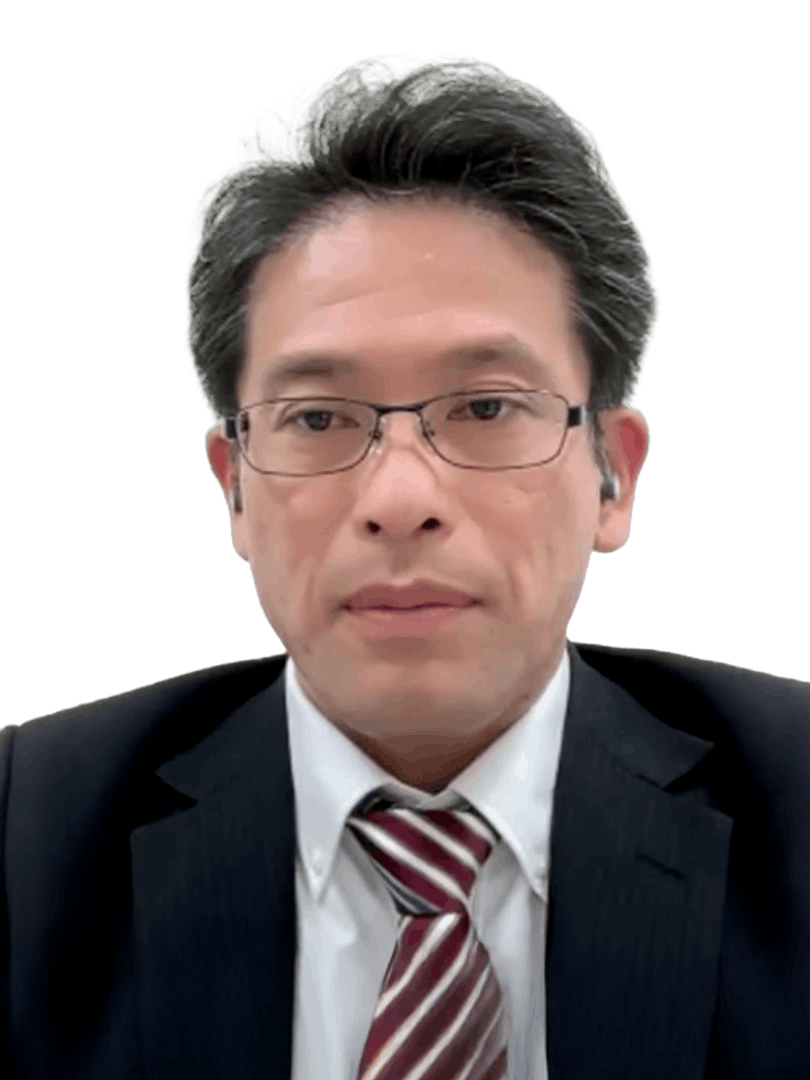
In recent years, the debate between upfront surgery and neoadjuvant therapy has become a cornerstone in the management of rectal cancer. Choosing the optimal path requires a deep understanding of varying international guidelines and the precision offered by modern surgical techniques. Thanks to the integration of laparoscopic and robotic-assisted systems, surgeons can now achieve higher levels of precision in Local Axial Resection (LAR), adhering to rigorous clinical standards to improve patient quality of life. Welcome and Introduction - by Dr. Soichiro Ishihara (Japan) Advanced Lower Rectal Cancer: Clinical Guidelines and Surgical Excellence in Robotic LAR - Dr. Yoshiro Itatani (Japan) The UK/European Perspective: Guidelines, Strategies, and the Upfront Surgery Debate - Dr. Jim S. Khan (UK) Precision in Practice: Laparoscopic LAR Following Japanese Guidelines - Dr. Soichiro Ishihara (Japan) Panel Discussion & Closing Remarks - Moderated by Dr. Soichiro Ishihara (Japan)
Published
Feb 2026
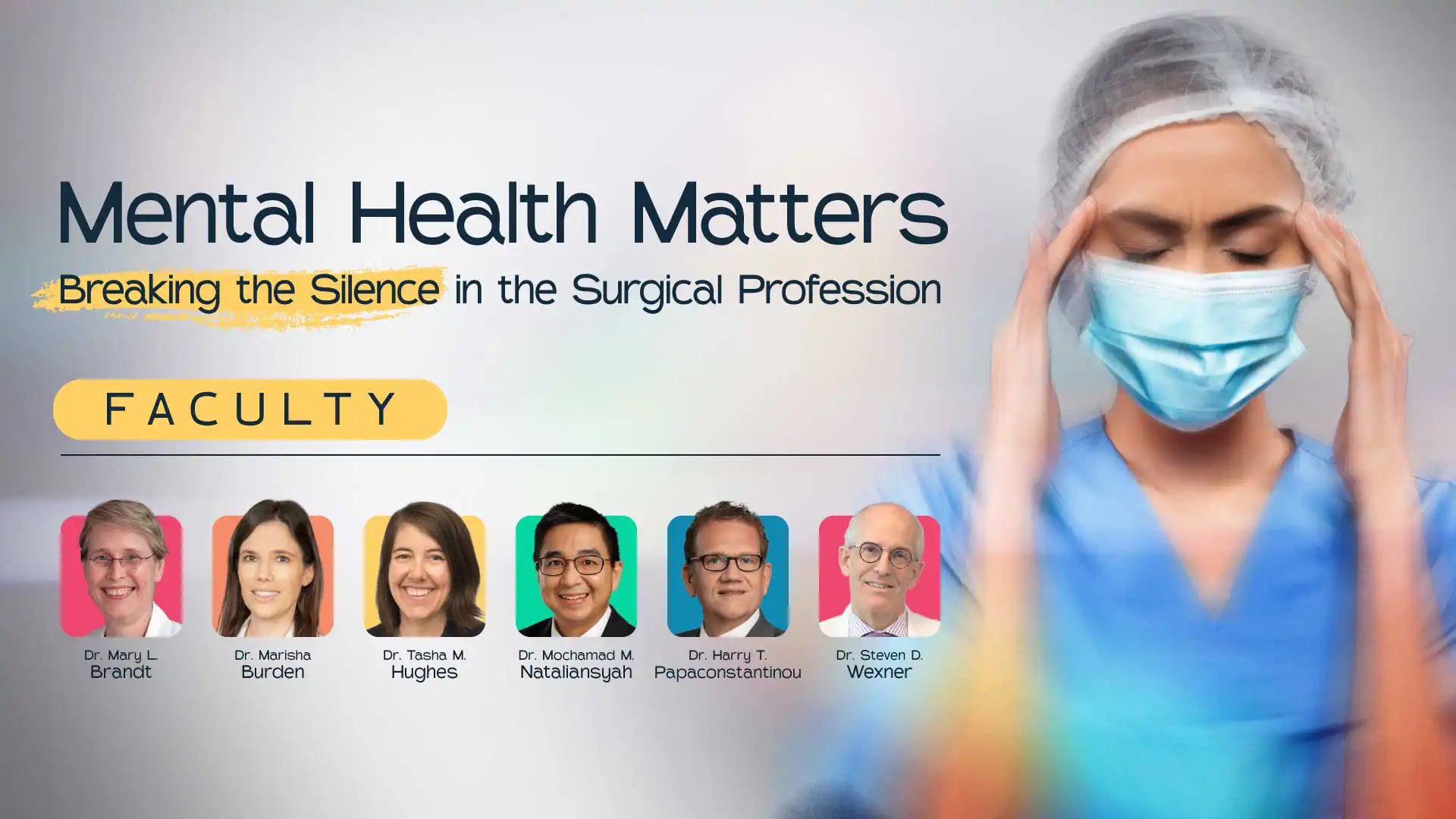
For generations, the culture of surgery has been defined by stoicism and endurance, often obscuring the profound personal toll exacted on the workforce. Today, however, the profession faces a silent epidemic: high rates of burnout, the insidious impact of microaggressions, and alarming statistics regarding surgeon suicide are symptoms of a systemic need for change. Addressing the mental health crisis in surgery is no longer a matter of individual resilience; it is an institutional responsibility and a critical component of patient safety. Moving from stigma to support requires a fundamental shift in how surgical teams interact, lead, and care for one another. On December 16th at 8 AM EST, AIS brings together a distinguished international faculty to explore these critical challenges and define a path forward. Led by Dr. Mary L. Brandt and Prof. Steven D. Wexner, the program features expert perspectives from Dr. Mochamad Nataliansyah on the hidden impact of bullying, Dr. Tasha M. Hughes on actionable strategies for suicide prevention, Dr. Marisha Burden on the environmental factors shaping mental health, and Dr. Harry T. Papaconstantinou on building psychological safety in the OR. This program is designed to break the silence and equip the surgical community with the tools to build a safer, more sustainable culture. Welcome & Introduction - Dr. Mary L. Brandt (USA) and Prof. Steven D. Wexner (USA) Understanding the Hidden Impact of Bullying and Microaggressions in Surgery - Dr. Mochamad (Muska) M. Nataliansyah (USA) Q&A Session - Dr. Mary L. Brandt (USA) and Dr. Mochamad (Muska) M. Nataliansyah (USA) Suicide Prevention in Surgical Communities: From Awareness to Action - Dr. Tasha M. Hughes (USA) Q&A Session - Dr. Mary L. Brandt (USA) and Dr. Tasha M. Hughes (USA) Environmental and Institutional Factors Affecting Surgeon Mental Health - Dr. Marisha Burden (USA) Q&A Session - Dr. Mary L. Brandt (USA) and Dr. Marisha Burden (USA) Creating a Culture of Psychological Safety in the OR and Beyond - Dr. Harry T. Papaconstantinou (USA) Q&A Session - Dr. Mary L. Brandt (USA) and Dr. Harry T. Papaconstantinou (USA) Closing Remarks - Dr. Mary L. Brandt (USA) and Prof. Steven D. Wexner (USA)
Published
Dec 2025

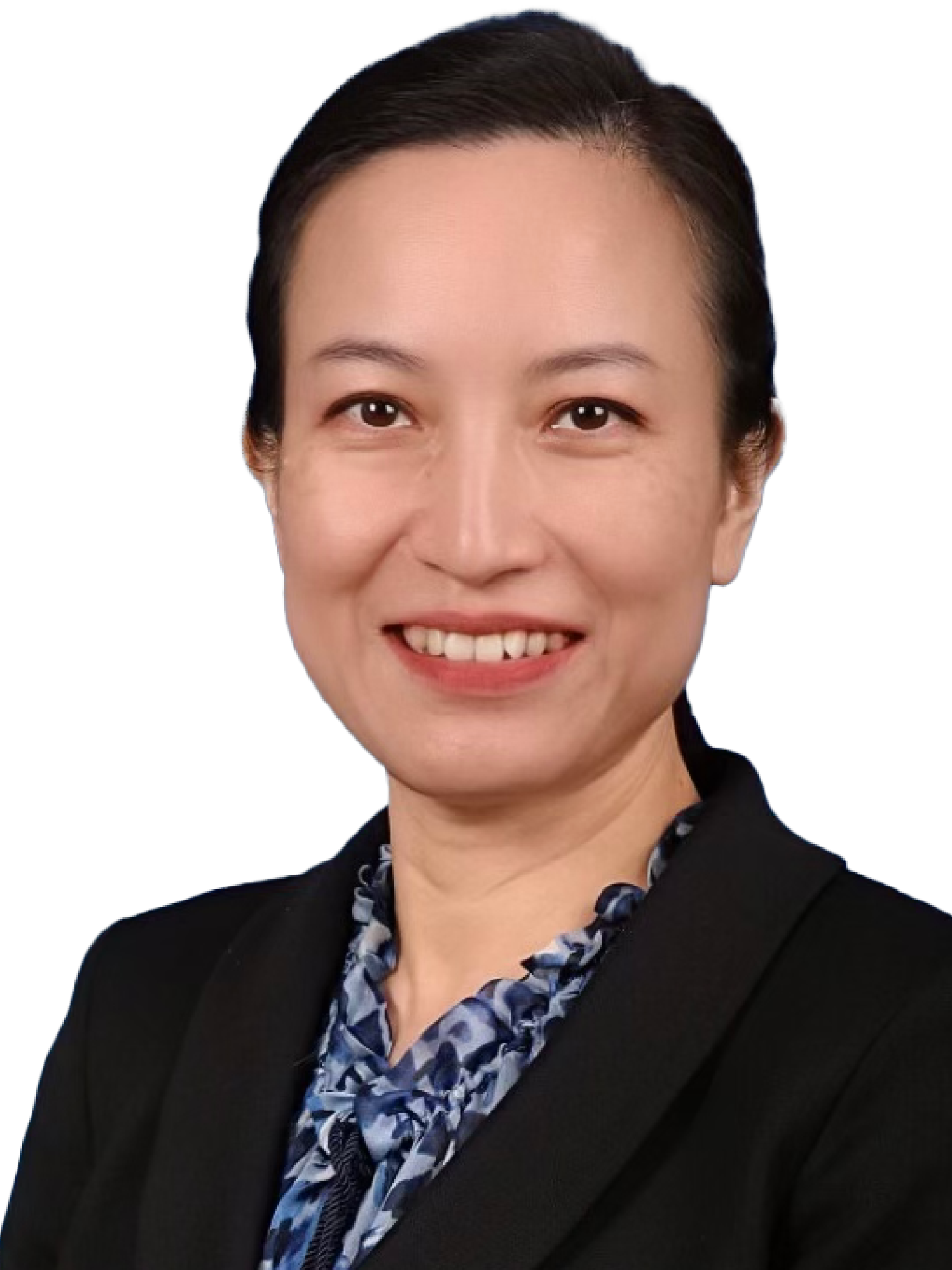
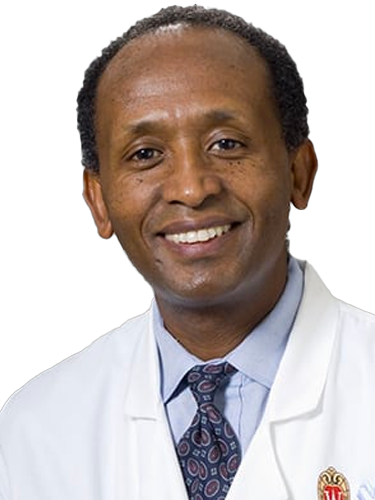
Inequities in access to timely and effective surgical care represent one of the most pressing and complex challenges in global health today. Millions of people worldwide, particularly those living in rural and remote regions of Africa, Southeast Asia, and South America, are excluded from essential procedures that can treat severe trauma, prevent disability, and save lives. These barriers are multifaceted, rooted in insufficient training infrastructure, lack of specialized technology, geographic challenges, and funding deficiencies. Addressing this massive global surgical gap is not just a clinical requirement but a moral and ethical imperative for achieving true universal health equity. Welcome & Introduction - Prof. Steven D. Wexner (USA) & Dr. Anthony Charles (USA) Overcoming Barriers in Rural and Remote Surgery: Lessons from Africa - Dr. Kamar Adeleke (Nigeria) Q&A Session - Dr. Anthony Charles (USA) and Dr. Kamar Adeleke (Nigeria) Bridging Gaps Southeast Asia: Training, Resources, and Innovation - Dr. April Roslani (Malaysia) Q&A Session - Dr. Anthony Charles (USA) and Dr. April Roslani (Malaysia) The Role of Technology in Expanding Global Surgical Access: Perspectives from South America - Dr. Sidney Klajner (Brazil) Q&A Session - Dr. Anthony Charles (USA) and Dr. Sidney Klajner (Brazil) From Data to Action: Mapping Inequities and Mobilizing Resources Globally - Dr. Girma Tefera (USA) Q&A Session - Dr. Anthony Charles (USA) and Dr. Girma Tefera (USA) Closing Remarks - Dr. Steven D. Wexner (USA)
Published
Dec 2025
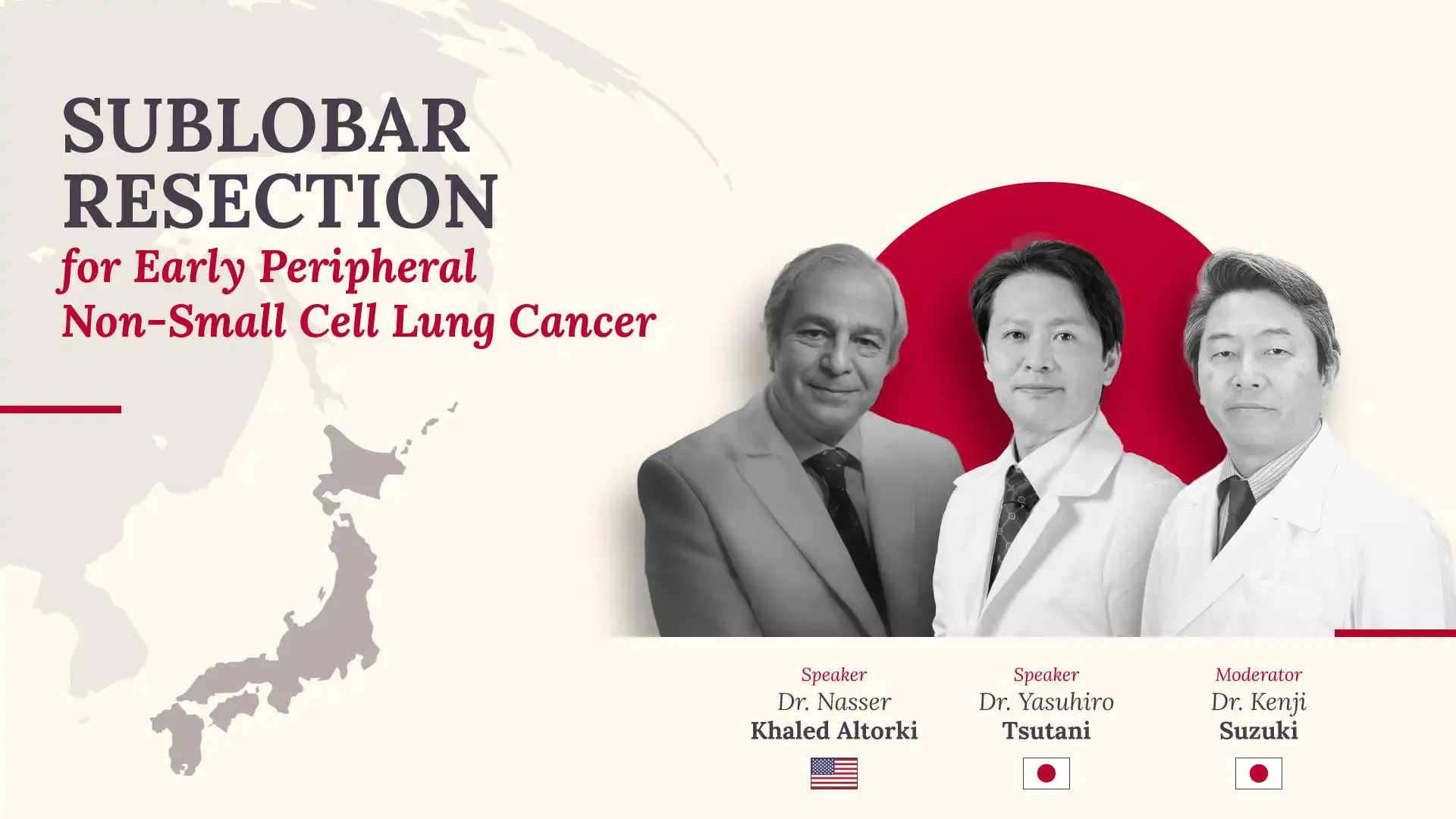
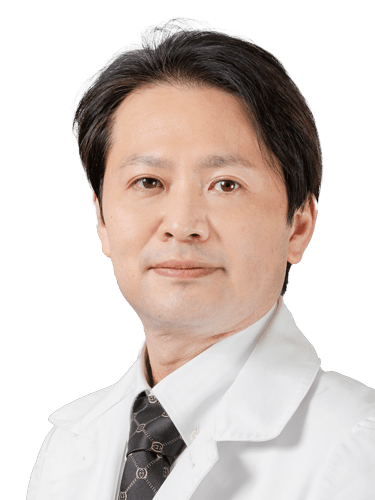
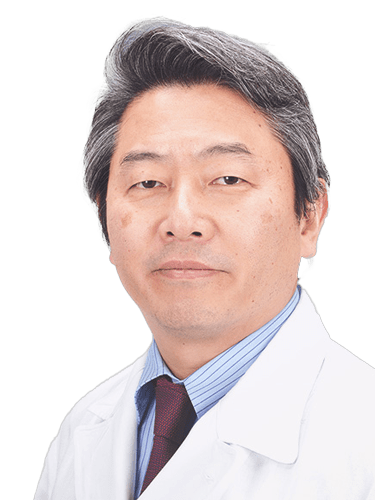
The optimal surgical approach for early-stage peripheral non-small cell lung cancer is a topic of significant clinical debate. While lobectomy has long been the standard of care, recent evidence from two landmark clinical trials, JCOG0802/WJOG4607L and CALGB140503, is challenging traditional practices and refining the role of sublobar resection. Establishing clear indications for less invasive, lung-sparing procedures like segmentectomy and partial resection is essential for improving patient outcomes in thoracic surgery.The optimal surgical approach for early-stage peripheral non-small cell lung cancer is a topic of significant clinical debate. While lobectomy has long been the standard of care, recent evidence from two landmark clinical trials, JCOG0802/WJOG4607L and CALGB140503, is challenging traditional practices and refining the role of sublobar resection. Establishing clear indications for less invasive, lung-sparing procedures like segmentectomy and partial resection is essential for improving patient outcomes in thoracic surgery. Opening Message from JACS - Prof. Shinichi Toyooka (Japan) Welcome & Introduction - Dr. Kenji Suzuki (Japan) Matters of debate on Sublobar Resection for Lung Cancer - Dr. Kenji Suzuki (Japan) CALGIB Study results and Indications for a Segmentectomy and Partial Resection - Dr. Nasser Khaled Altorki (USA) Current Perspectives on Indications for Segmentectomy and Wedge Resection in Japan - Dr. Yasuhiro Tsutani (Japan) Panel Discussion & Closing Remarks - All faculty moderated by Dr. Kenji Suzuki (Japan)
Published
Oct 2025

Colorectal Surgery
Colorectal Surgery


Colorectal Surgery




Colorectal Surgery
Colorectal Surgery

Thoracic Surgery
Thoracic Surgery



Thoracic Surgery
Share it with your network and help spread clinical knowledge.