

Takeda is a patient-focused, values-based, R&D-driven global biopharmaceutical company committed to bringing Better Health and a Brighter Future to people worldwide. Our passion and pursuit of potentially life-changing treatments for patients are deeply rooted in over 230 years of distinguished history in Japan.
Our Mission is to strive towards Better Health and a Brighter Future for people worldwide through leading innovation in medicine.
We serve the needs of our patients, wherever they are.We earn the trust of society and customers through Takeda-ism. We are recognized as best in class because of agility and innovation, qualities that help us build a steady pipeline and deliver growth, year on year.
Integrity
Fairness
Honesty
Perseverance
We take action and make decisions by focusing on our four priorities in this order:
Putting the patient at the center
Building trust with society
Reinforcing our reputation
Developing the business
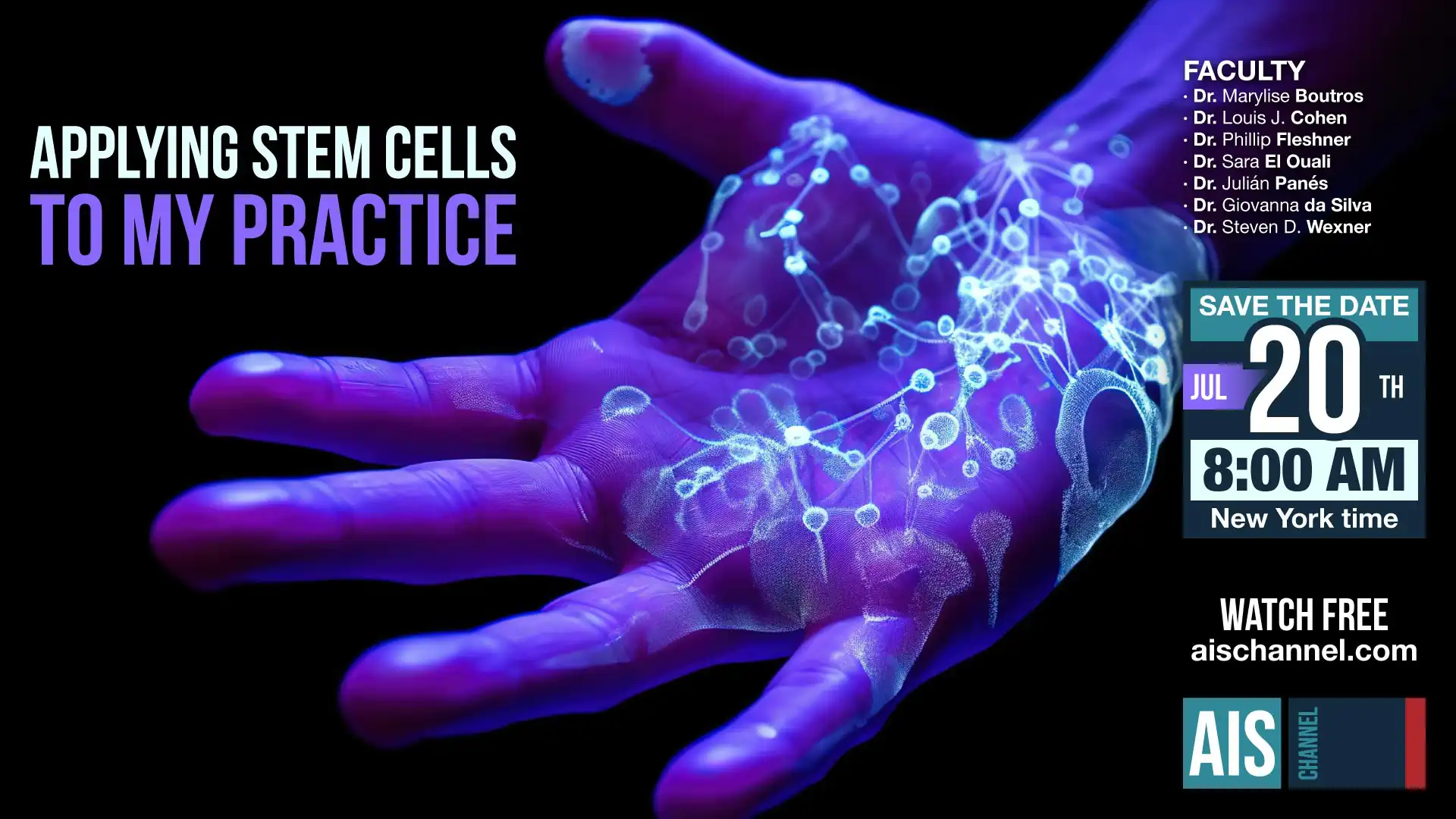
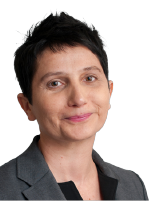
Welcome & Introduction – Dr. Steven D. Wexner (USA) Combination therapy – Treat the intestinal mucosa to treat the fistula - Dr. Sara El Ouali (UAE/USA) Who is a candidate for stem cells? - Dr. Julián Panés (Spain) Practical tips for optimizing the success of stem cell therapy - Dr. Louis J. Cohen (USA) Patient-reported outcomes in fistula surgery - Dr. Marylise Boutros (Canada) The results of stem cells for anal fistulas – Dr. Giovanna da Silva (USA) Video stem cells for anal fistulas - Dr. Phillip Fleshner (USA) Panel discussion & Closing Remarks - All faculty moderated by Dr. Steven D. Wexner (USA) *Supported by an educational grant from Takeda Pharmaceuticals U.S.A.
Published
Jul 2023

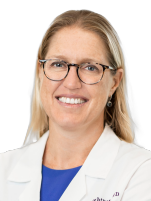
The management of anal fistulas is one of the greatest challenges. The need to preserve continence while permanently eradicating the fistula is the ultimate desired goal. Unfortunately, none of the ever-expanding myriads of treatments is a panacea; high rates of failure and of recurrence are consistently experienced. Regenerative or autologous tissue replacement therapies differ from all other options in encouraging tissue growth rather than destroying, ablating, or excising tissue. This program will demonstrate the role of autologous stem cells and gracilis muscle interposition in the treatment of some of the most challenging fistulas. Welcome & Introduction – Dr. Steven D. Wexner (USA) How Regenerative Medicine is Changing the Treatment of Inflammatory Bowel Disease - Dr. Amy Lightner (USA) The results of stem cells for fecal incontinence - Dr. Lucia Oliveira (Brazil) Development of stem cells for fistulas - Dr. Damian Garcia (Spain) Treating incontinence after fistula surgery – Dr. Liliana Bordeianou (USA) The results of gracilis interposition for complex perineal fistulas - Dr. Sameh Emile (Egypt) Video gracilis interposition for rectovaginal and rectourethral fistulas - Dr. Zoe Garoufalia (Greece) Panel discussion & Closing Remarks - All faculty moderated by Dr. Steven D. Wexner (USA) *Supported by an educational grant from Takeda Pharmaceuticals U.S.A.
Published
Jun 2023

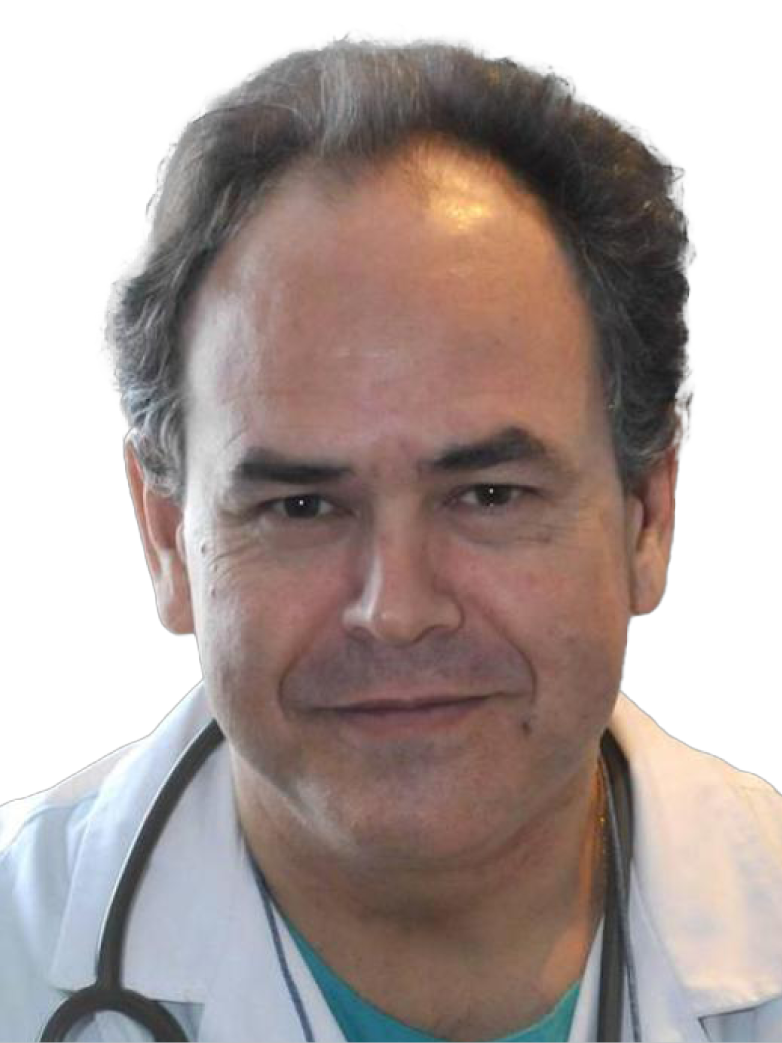
The number of procedures to treat any problem is often an indication of the efficacy and success of those procedures. The continually increasing already relatively large number of procedures designed to treat anal fistulas is a clear attestation to the lack of any one panacea therapy. In this second episode of our four-part series on anal fistulas in patients with Crohn’s disease, we review a variety of medical and surgical options. Our renowned expert faculty describe the indications, techniques, and results of many surgical and non-surgical modalities ranging from traditional established interventions such as setons to emerging methods. A robust panel discussion with active interaction with our global audience will ensure a thorough discussion of all of these topics. Welcome & Introduction - Dr. Steven D. Wexner (USA) Best practice medical management - Dr. Miguel Regueiro (USA) The problems of advancement flaps - Dr. Marissa Anderson (USA) Anatomy and classification of fistulae, and the role of setons - Mr. Phil Tozer (UK) Is the VAAFT procedure the answer? - Dr. Piercarlo Meinero (Italy) A new way of treating fistulas - Dr. Augustine Iroatulam (Italy) Video Advancement flap for fistula - Dr. Kristen Rumer (USA) Panel discussion & Closing Remarks - All faculty moderated by Dr. Steven D. Wexner (USA) *Supported by an educational grant from Takeda Pharmaceuticals U.S.A.
Published
May 2023
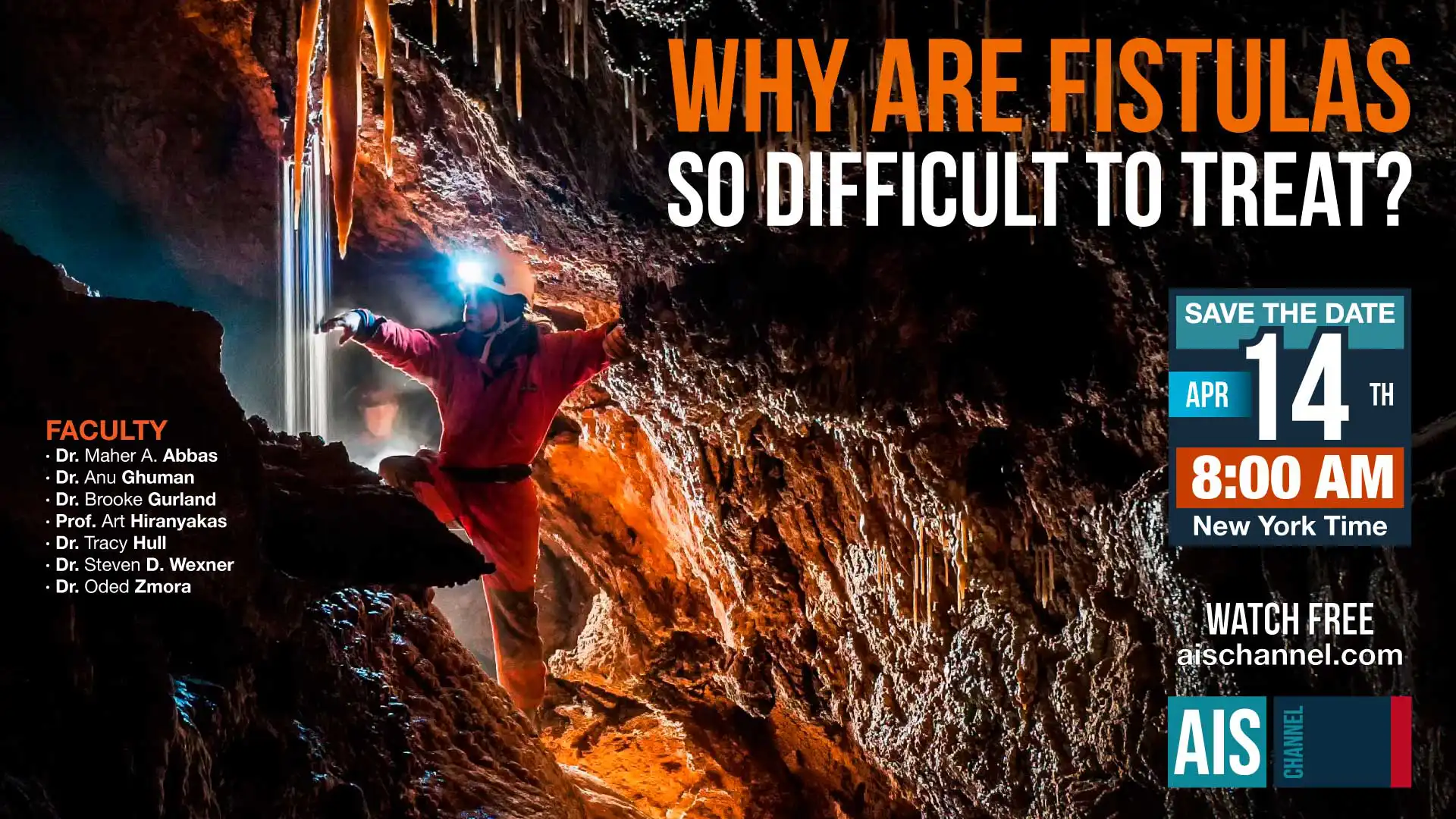
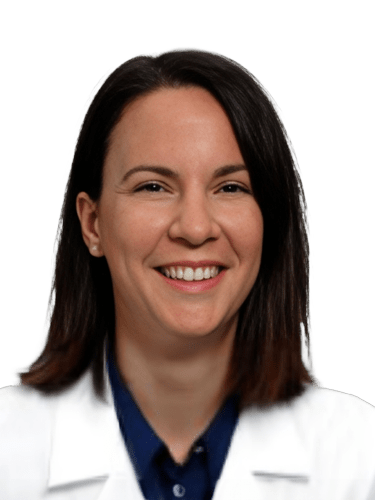
Anal fistulas can be notoriously difficult to treat due to the goals of fistula eradication and maintenance of continence. This program is the first one in a four-part series which will address these challenges and pose potential solutions. In this first episode, internationally renowned experts from around the world will share information on this theme. Specifically, the first program will begin by explaining why the anatomy of fistulas makes their treatment so potentially problematic. The esteemed faculty will then review the specific challenges of rectovaginal and rectourethral fistulas as well as the problem of fecal incontinence following fistula surgery. Several of the relatively newer treatments of collagen plugs, fibrin glue and the LIFT procedure are evaluated. Ultimately a surgical demonstration of the LIFT procedure will be presented. Welcome & Introduction – Dr. Steven D. Wexner (USA) Etiology and classification of fistulas - Dr. Brooke Gurland (USA) The problems of rectovaginal and rectourethral fistulas - Dr. Amandeep (Anu) Ghuman (Canada) Incontinence following fistula surgery – Dr. Tracy Hull (USA) Why plugs and glues fail - Dr. Maher A. Abbas (United Arab Emirates) Is the LIFT a panacea? - Dr. Oded Zmora (Israel) Video LIFT procedure - Prof. Art Hiranyakas (Thailand) Panel discussion & Closing Remarks - All faculty moderated by Dr. Steven D. Wexner (USA) *Supported by an educational grant from Takeda Pharmaceuticals U.S.A.
Published
Apr 2023




Colorectal Surgery
Colorectal Surgery

Colorectal Surgery
Colorectal Surgery
Colorectal Surgery
Colorectal Surgery

Colorectal Surgery

Colorectal Surgery



Colorectal Surgery

Colorectal Surgery

Colorectal Surgery
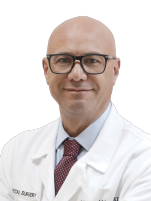
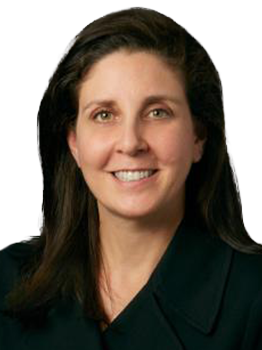
Colorectal Surgery

Colorectal Surgery

Colorectal Surgery
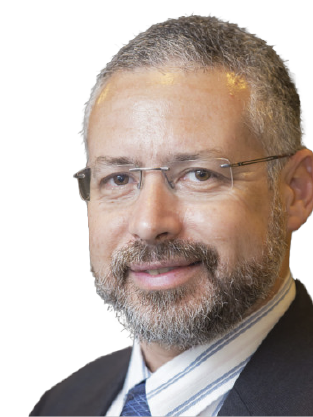
Colorectal Surgery
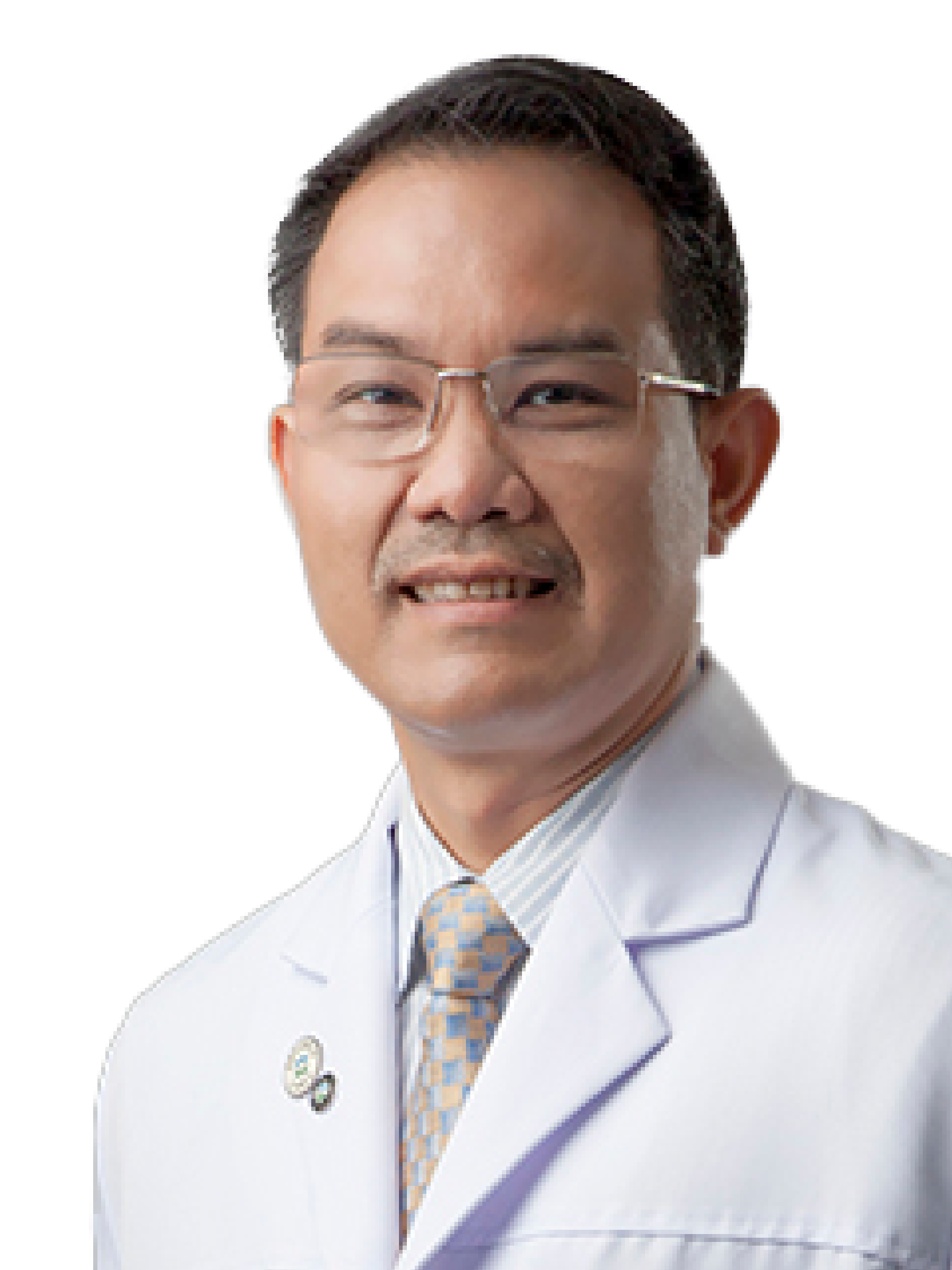
Colorectal Surgery
Colorectal Surgery
Colorectal Surgery
Share it with your network and help spread clinical knowledge.