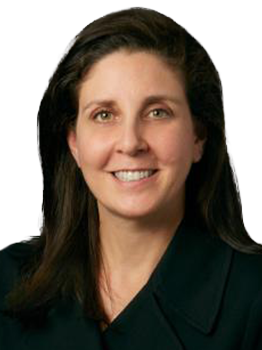
Dr. Brooke Gurland is a Clinical Professor of Surgery in the Division of Colorectal Surgery at Stanford University, Stanford, CA. She is the Colorectal and Research Medical Director of the Stanford Pelvic Health Center in Redwood City, CA, and the Surgery Department Well-Being. She is the Chair of the Pelvic Floor Consortium Committee at the American Society of Colon and Rectal Surgeons. Her clinical interests focus on multidisciplinary approach to pelvic floor disorders and benign anorectal conditions, innovative approaches to rectal prolapse, robotic surgery, video education and computer vision, and improving surgeon well-being.
Dr. Gurland attended Hahnemann/ Drexel University School of Medicine in Philadelphia, PA. She completed a general surgery residency at The Mount Sinai Medical Center in New York, NY, and Colorectal Surgery Fellowship at the Cleveland Clinic, Weston, FL. She is board certified in general and colorectal surgery and performs laparoscopic and robotic surgery.
Selected publications from PubMed
Cost-effectiveness and patient-reported outcomes of combined versus isolated robotic rectal and pelvic organ prolapse repair: A multicentre prospective cohort study.
Wallace SL, Ogilvie JW Jr, Bordeianou L, Earley M, Platte R, Weinstein MM, Sokol ER, Enemchukwu EA, Mishra K, Gurland BH
Colorectal Dis. 2026 Aug;28(8):e70570 doi: 10.1111/codi.70570.
Reply.
Perry WRG, Christensen P, Collinson RJ, Cornish JA, D'Hoore A, Gurland BH, Mellgren A, Ratto C, Ris F, Stevenson ARL, Bordeainou L, Ventral Rectopexy Working Group
Dis Colon Rectum. 2026 Oct 1;69(10):2551 doi: 10.1097/DCR.0000000000004338.
Clinician and Patient Stakeholders Prioritize Rectal Prolapse Research Themes Through an International Delphi Process.
Gurland BH, Au Hoy S, Bordeianou L, Hainsworth AJ, Thorsen AJ, Ratto C, Basilio PC, Oliveira LCC, Murphy M, Ding S, King JM, Olson CH, Pelvic Floor Consortium Volunteers Workgroup 2024 of the American Society of Colon and Rectal Surgeons
Dis Colon Rectum. 2026 Jun 1;69(6):1722-1731 doi: 10.1097/DCR.0000000000004218.
Can Large Language Models Be a Viable Tool for Consensus Working Groups? Experience of the Ventral Rectopexy Expert Consensus Group.
Lee FG, Larson EL, Vermunt JV, Thiels CA, Christensen P, Collinson RJ, Cornish JA, D'Hoore A, Gurland BH, Mellgren A, Ratto C, Ris F, Stevenson ARL, Bordeianou LG, Perry WRG, Ventral Rectopexy Consensus AI Group and the Ventral Rectopexy Working Group
Dis Colon Rectum. 2026 May 1;69(5):836-846 doi: 10.1097/DCR.0000000000004058.
Assessing Pelvic Organ Prolapse Volume in Patients with Rectal Prolapse via MRI.
Khorsandi S, Sheth VR, Chow A, Liang T, Gurland B, Sokol ER
Int Urogynecol J. 2026 Apr;37(4):893-901 doi: 10.1007/s00192-025-06297-6.
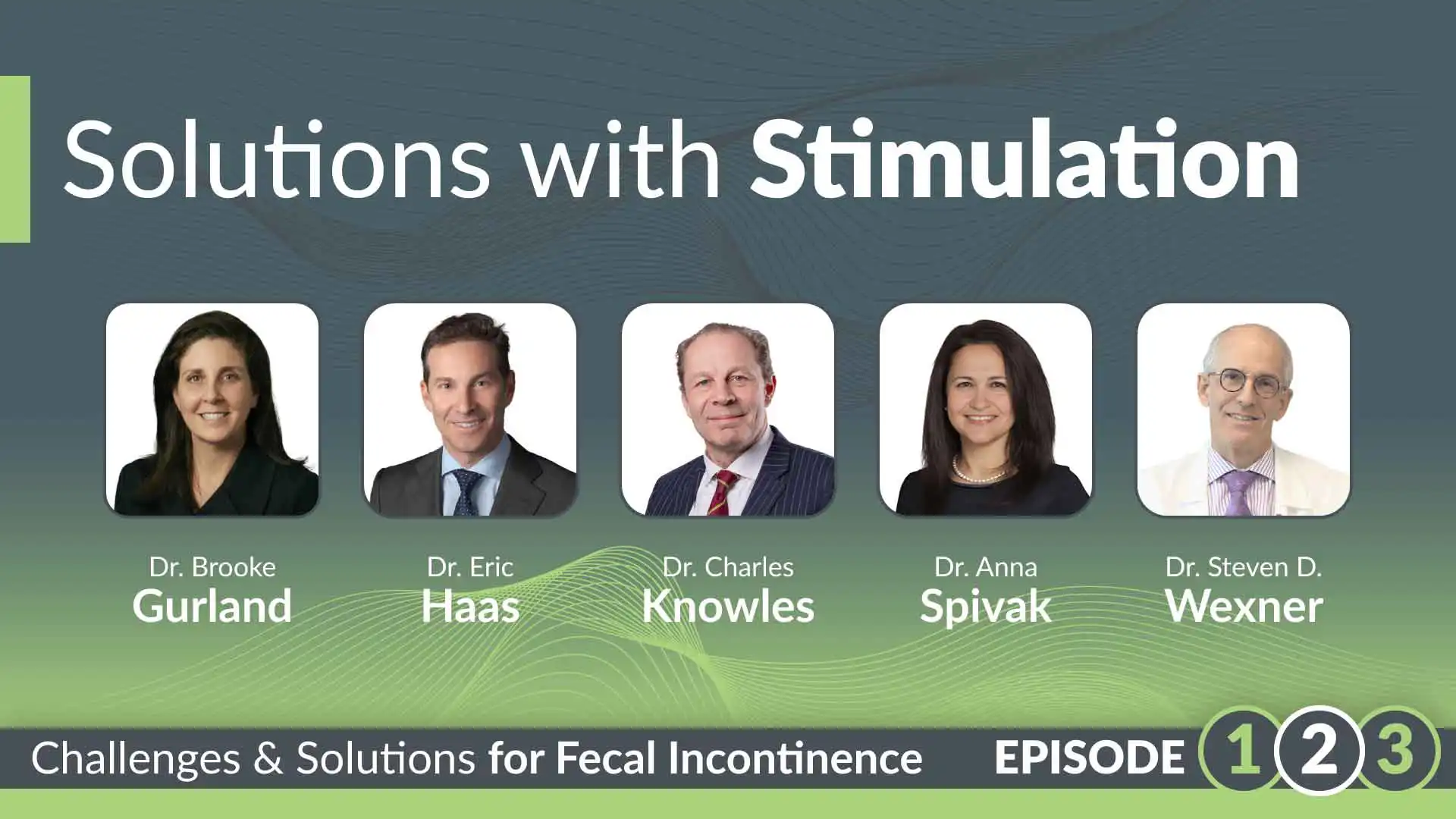
Fecal incontinence is a disabling condition for which the long-term traditional operative methods have been disappointing. During the last 2 decades, sacral neuromodulation has emerged as the preferred first-line surgical option for many patients with debilitating fecal incontinence. This program will focus on the rationale for and results of sacral neuromodulation for fecal incontinence. The world-renowned faculty will explain the mechanisms of action, discuss patient selection, and demonstrate the surgical technique. The cutting-edge comprehensive content is of tremendous importance to all physicians and surgeons who evaluate and manage patients with fecal incontinence.
With Axonics
Published
Oct 2024

Fecal incontinence and Overactive Bladder are very prevalent disabling disorders. A plethora of therapeutic options have been attempted without universal acceptance due to suboptimal results. Sacral neuromodulation (SNM) has become widely globally accepted as a very effective safe option for the treatment of both fecal incontinence and overactive bladder. In addition, this technology is the only practical therapy that can treat Idiopathic Urinary Retention. This program combines the expertise of both colorectal surgeons and urologists to share their expertise and insights about the role of SNM within the spectrum of available therapeutic options for these conditions. Optimal outcomes in both high and low-resource environments will be described and best practice methods to help ensure maximum efficacy will be evaluated.
With Medtronic
Published
Dec 2023

Anal fistulas can be notoriously difficult to treat due to the goals of fistula eradication and maintenance of continence. This program is the first one in a four-part series which will address these challenges and pose potential solutions. In this first episode, internationally renowned experts from around the world will share information on this theme. Specifically, the first program will begin by explaining why the anatomy of fistulas makes their treatment so potentially problematic. The esteemed faculty will then review the specific challenges of rectovaginal and rectourethral fistulas as well as the problem of fecal incontinence following fistula surgery. Several of the relatively newer treatments of collagen plugs, fibrin glue and the LIFT procedure are evaluated. Ultimately a surgical demonstration of the LIFT procedure will be presented.
With Takeda
Published
Apr 2023

Talk low, talk slow and don’t say too much” may have worked just fine for John Wayne but it certainly will not do for any surgeon! Starting with presenting cases to colleagues and connecting with patients, to later down the line when many surgeons assume leadership roles in public-facing positions or research, communication skills are key. In that sense, for surgeons, it may feel like it’s always “showtime”. Yet many people are still not comfortable presenting material or don’t have the time to take a long communications course. For this reason we have invited a group of seasoned presenters to share their knowledge with you in this Resilient Resident episode devoted to delivering your ideas.
With Johnson & Johnson MedTech
Published
Sep 2022
Help your network discover Dr. Brooke Gurland's clinical expertise.