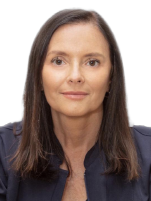
Dr. Oliveira graduated from medical school in 1988 in Rio de Janeiro, followed by a surgical residency in General Surgery and Coloproctology at the Hospital of Ipanema between 1989 and 1994. She then completed postgraduate studies in the Department of Colorectal Surgery at Cleveland Clinic Florida between 1994 and 1995 as a Research Fellow. Upon returning to Brazil, she directed a Colorectal Oncology Department in Hospital Mario Kroeff for 4 years and started the first Anorectal Physiology Department in Policlinica Geral of Rio de Janeiro. She then completed her PhD in Surgery at the University of São Paulo, where she read her thesis in 2007.
She is a member of the Brazilian Society of Coloproctology, the Brazilian College of Surgeons, the Brazilian Society of Motility Disorders (SBMDN) and Endoscopy (SOBED). She is currently the Head of the Colorectal Physiology Department of Rio de Janeiro, working at Hospital Casa de Saúde São José, Copa Star and Samaritano Hospital. She is the Director of the Coloproctology Clinic Dr. Lucia de Oliveira and CEPEMED Company. She is also the Coordinator of Anorectal Manometry and Endoanal Ultrasound courses at CEPEMED.
Dr. Oliveira is an expert in the field of coloproctology and colorectal surgery, specializing in functional disorders such as fecal incontinence, constipation, laparoscopic surgery, sacral neuromodulation, anorectal surgery, video-colonoscopy and prevention and treatment of colorectal cancer. She was a member of the board and scientific committee of the Latin American Association for Pelvic Floor Disorders. (ALAPP) for 5 years. She is a member of the Pelvic Floor Steering Committee of the American Society of Colon and Rectal Surgeons (ASCRS) and a reviewer for several national and international medical journals. She participated in three humanitarian missions in Africa as a surgeon in 2018 and 2019. Dr. Oliveira has edited and published several textbooks, the most recent being Anorectal Physiology: A Clinical and Surgical Perspective, published by Springer Nature (in English).
Selected publications from PubMed
Utility of Artificial Intelligence-Driven Chatbots in Suggesting Solutions to Stapling Misadventures in Colorectal Surgery.
Emile SH, Singh P, Horesh N, Oliveira L, Mayol J, Wexner SD
Surg Innov. 2026 Aug;33(4):330-337 doi: 10.1177/15533506251413430.
Future challenges and initiatives in colorectal surgery in Brazil: A survey of the Brazilian Society of Coloproctology.
Oliveira LCC, Alonso Araujo SE
Surgery. 2026 Jul;195:109970 doi: 10.1016/j.surg.2025.109970.
Clinician and Patient Stakeholders Prioritize Rectal Prolapse Research Themes Through an International Delphi Process.
Gurland BH, Au Hoy S, Bordeianou L, Hainsworth AJ, Thorsen AJ, Ratto C, Basilio PC, Oliveira LCC, Murphy M, Ding S, King JM, Olson CH, Pelvic Floor Consortium Volunteers Workgroup 2024 of the American Society of Colon and Rectal Surgeons
Dis Colon Rectum. 2026 Jun 1;69(6):1722-1731 doi: 10.1097/DCR.0000000000004218.
Low anterior resection syndrome: Real-world insights from an international survey.
Cerkauskaite D, Klimovskij M, Bordeianou LG, Vigorita V, Emmertsen KJ, Keane C, Juul T, Oliveira L, Marinello F, Martellucci J, Denost Q, Dulskas A
Colorectal Dis. 2026 Mar;28(3):e70417 doi: 10.1111/codi.70417.
Post-Discharge Opioid Prescribing After Elective Colorectal Resection: An International Survey.
Olleik G, Elhaj H, Shirzadi S, Fermi F, Lapointe-Gagner M, Liberman S, Alhashemi M, Ghezeljeh TN, Rajabiyazdi F, Touma N, Kaneva P, Ramanakumar AV, Bashankaev B, Sidorova A, Chapman SJ, Fu CG, Oliveira L, Valanci S, Dulskas A, Wexner S, Lee L, Feldman LS, Boutros M, Fiore JF Jr
World J Surg. 2026 Mar;50(3):558-568 doi: 10.1002/wjs.70245.
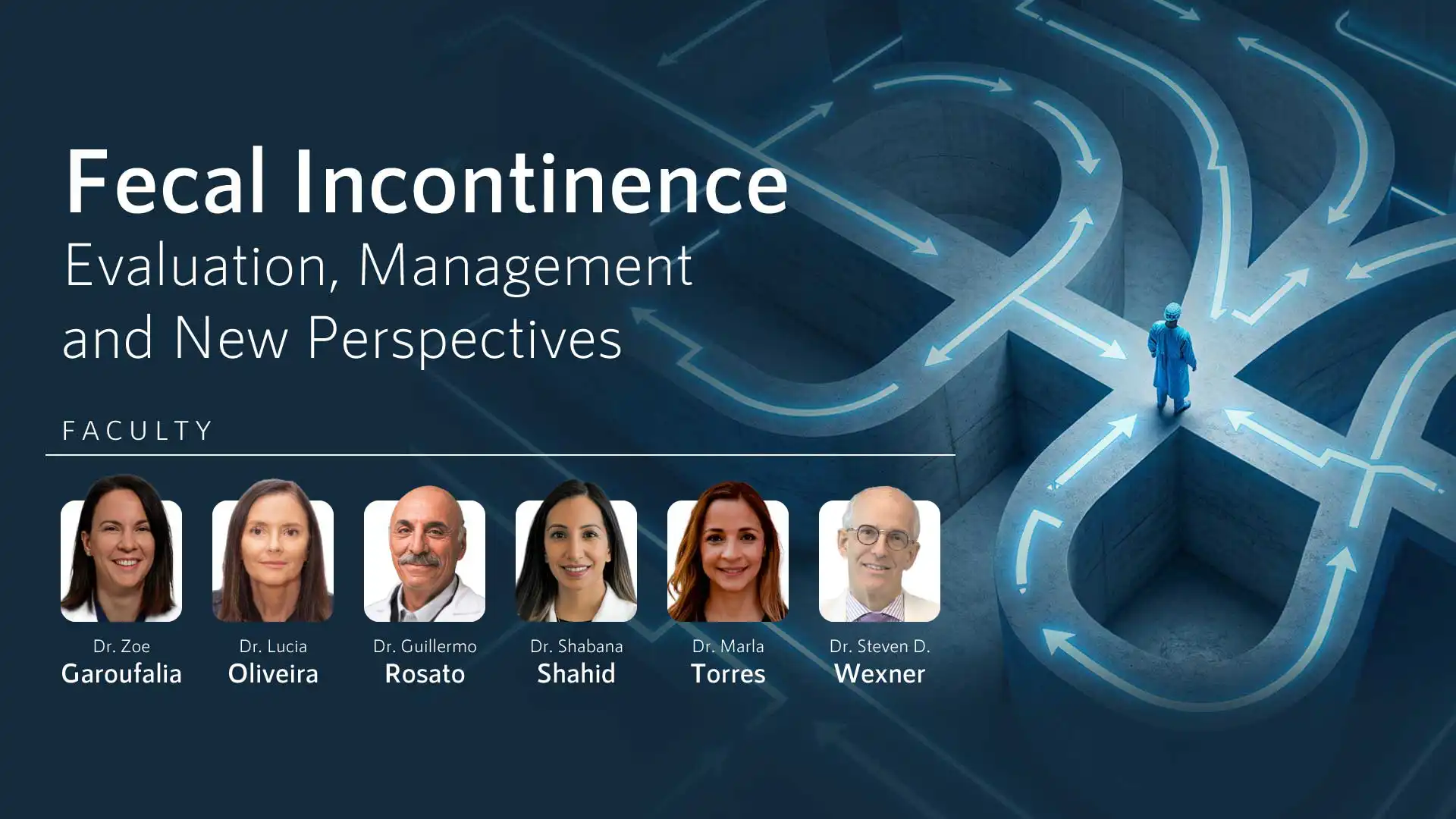
In this AIS webinar titled "Fecal Incontinence" a distinguished international faculty provides a comprehensive update on the clinical approach. The session addresses the condition's epidemiology, including its incidence and prevalence , alongside modern protocols for patient evaluation and nonsurgical management strategies. The program further explores surgical and technological advancements, debating the current role of sphincter repair and the application of Sacral Neuromodulation.
With Medtronic
Published
Mar 2026
.webp)
In the demanding field of surgery, leadership is vital for advancing medical practice and enhancing patient outcomes. This abstract outlines the journey of a young surgeon striving to achieve leadership roles within national and international surgical communities. The path is complex, requiring exceptional surgical expertise, strategic career planning, and meaningful contributions to the field. The young surgeon begins by building a robust foundation through rigorous training, mentorship, and ongoing skill development. Clinical excellence is paramount, complemented by research efforts that add new insights to surgery. Publishing in esteemed journals and presenting at conferences are critical for gaining recognition. To secure national leadership, the surgeon must engage actively with professional organizations. This involves taking on roles such as committee memberships, organizing educational initiatives, or advocating for policies that improve surgical standards. These efforts showcase dedication and competence, paving the way for influence within the national surgical landscape. For international leadership, a global outlook is essential. The surgeon should pursue opportunities like international surgical missions, contributions to global health programs, or collaborative research across borders. Participating in and presenting at international conferences boosts visibility and establishes credibility worldwide. Ultimately, attaining leadership in surgery transcends personal achievement—it’s a platform to shape the field’s future. Through innovation, mentoring emerging surgeons, and championing better surgical care, the young surgeon can leave a lasting legacy. This journey reflects a blend of skill, ambition, and commitment to improving surgery on both national and international stages.
Published
Oct 2025
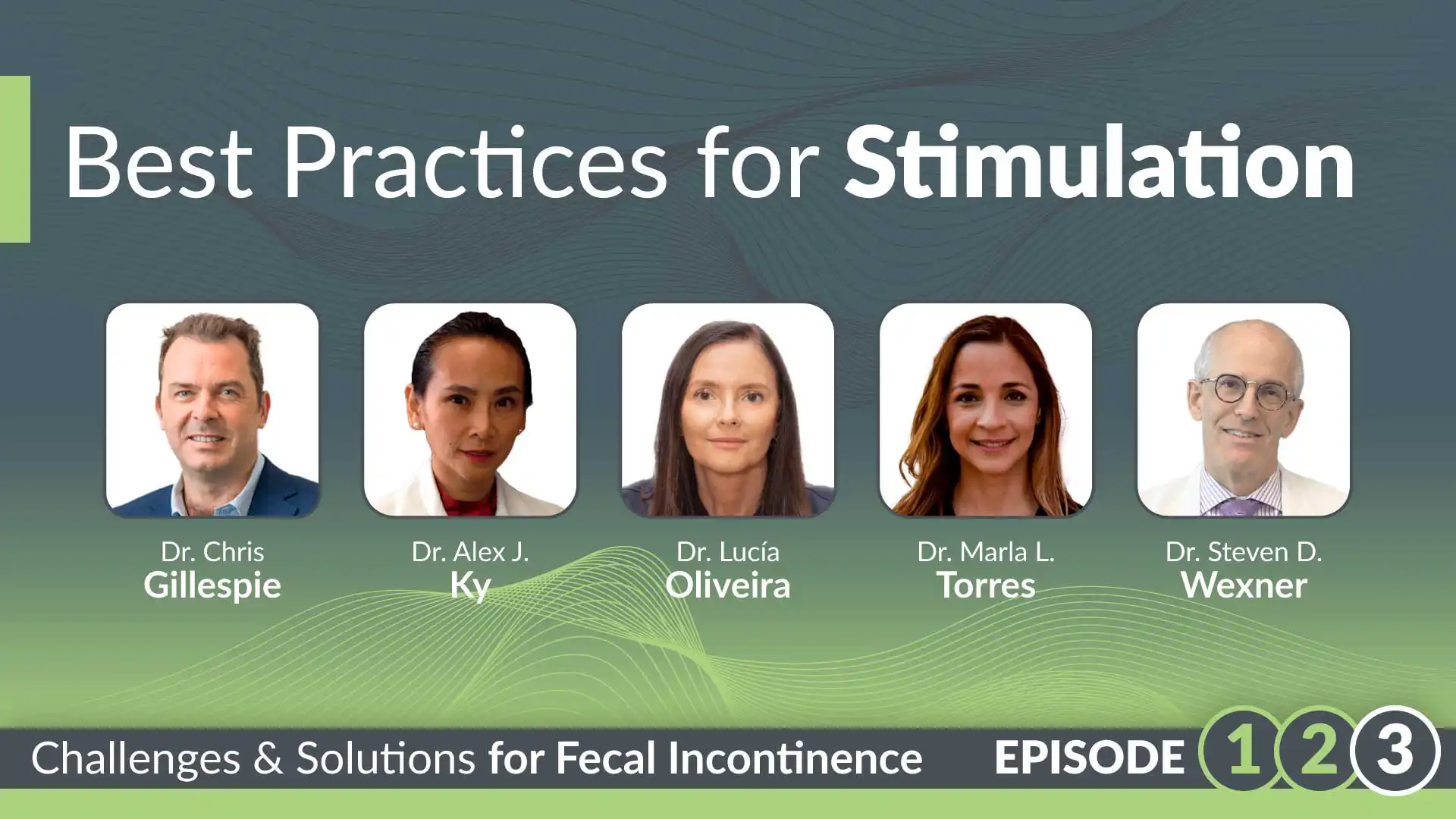
In the previous two sessions of this three-part series on sacral neuromodulation (SNM), we explored the reasons why SNM is now the preferred surgical treatment for fecal incontinence. This third session will focus on optimizing the results of SNM. Our internationally renowned experts will discuss cost-effective approaches to SNM and evaluate the differences among various implants. Additionally, insights into alternative stimulation methods will be presented.
With Axonics
Published
Nov 2024
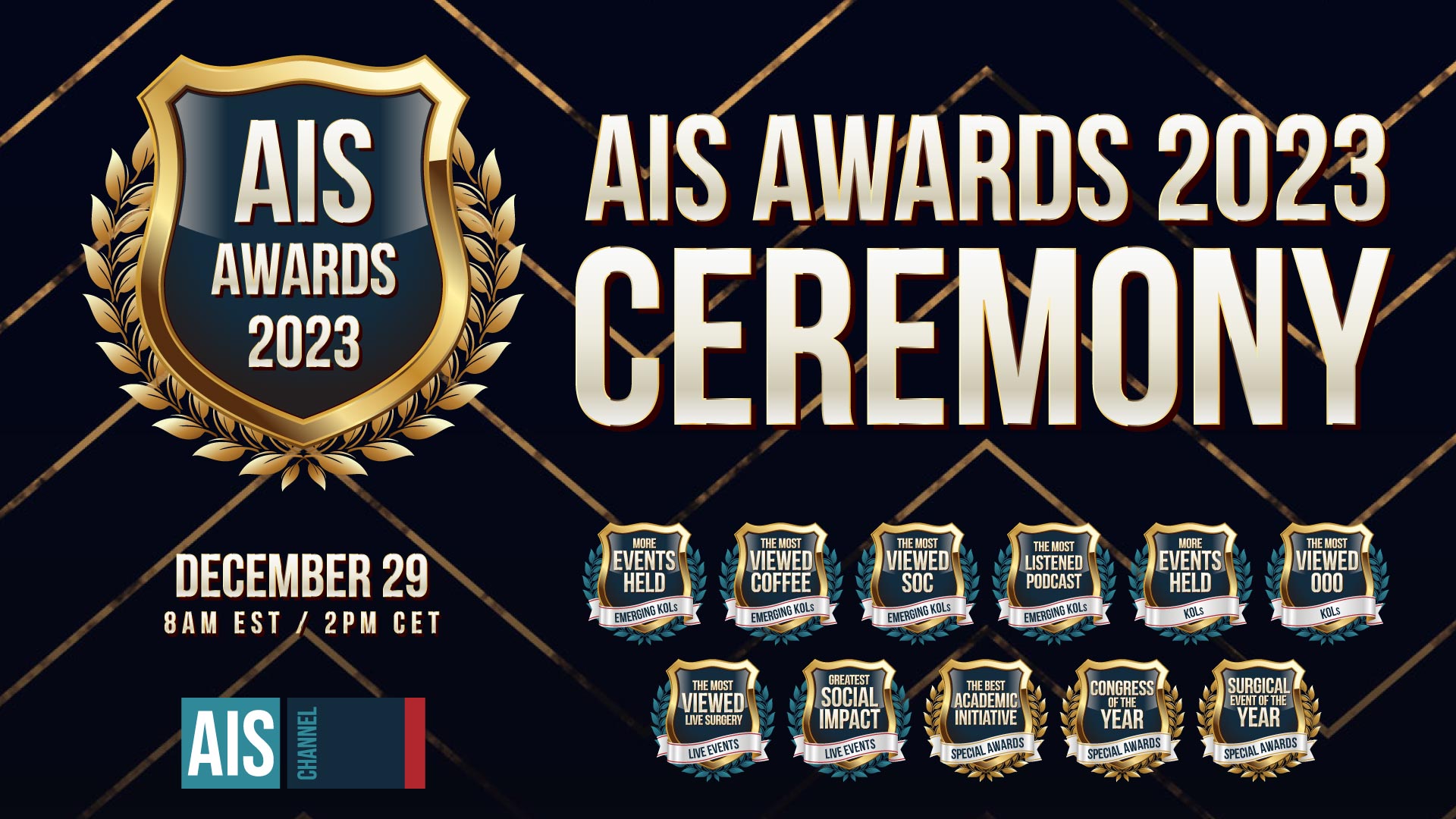
Welcome to the AIS Awards 2023! The event acknowledges the collective efforts of residents, surgeons, healthcare professionals, and the AIS Team in democratizing medical training through online content. With 11 awards across four categories and 45 nominees, the ceremony reflects the remarkable achievements of the AIS Community. Awards are based on real AIS Channel metrics, with two categories determined by audience votes. While celebrating winners, we also recognize the dedication of outstanding surgeons not nominated today. The prizes to be distributed will be as follows: Emerging KOLs Category Most Listened Podcast Most Viewed SOC Most Viewed ACW More Events Held KOL Category More Events Held Most Viewed OOO Live Webinar Category Most Viewed Live Surgery Greatest Social Impact Special Awards Category Best Academic Initiative Congress of the year Surgical Event of the year The virtual gathering provides a unique opportunity for professionals to connect, making the ceremony unforgettable. Join us in honoring the AIS Community's achievements this 2023!
Published
Dec 2023

Fecal incontinence and Overactive Bladder are very prevalent disabling disorders. A plethora of therapeutic options have been attempted without universal acceptance due to suboptimal results. Sacral neuromodulation (SNM) has become widely globally accepted as a very effective safe option for the treatment of both fecal incontinence and overactive bladder. In addition, this technology is the only practical therapy that can treat Idiopathic Urinary Retention. This program combines the expertise of both colorectal surgeons and urologists to share their expertise and insights about the role of SNM within the spectrum of available therapeutic options for these conditions. Optimal outcomes in both high and low-resource environments will be described and best practice methods to help ensure maximum efficacy will be evaluated.
With Medtronic
Published
Dec 2023
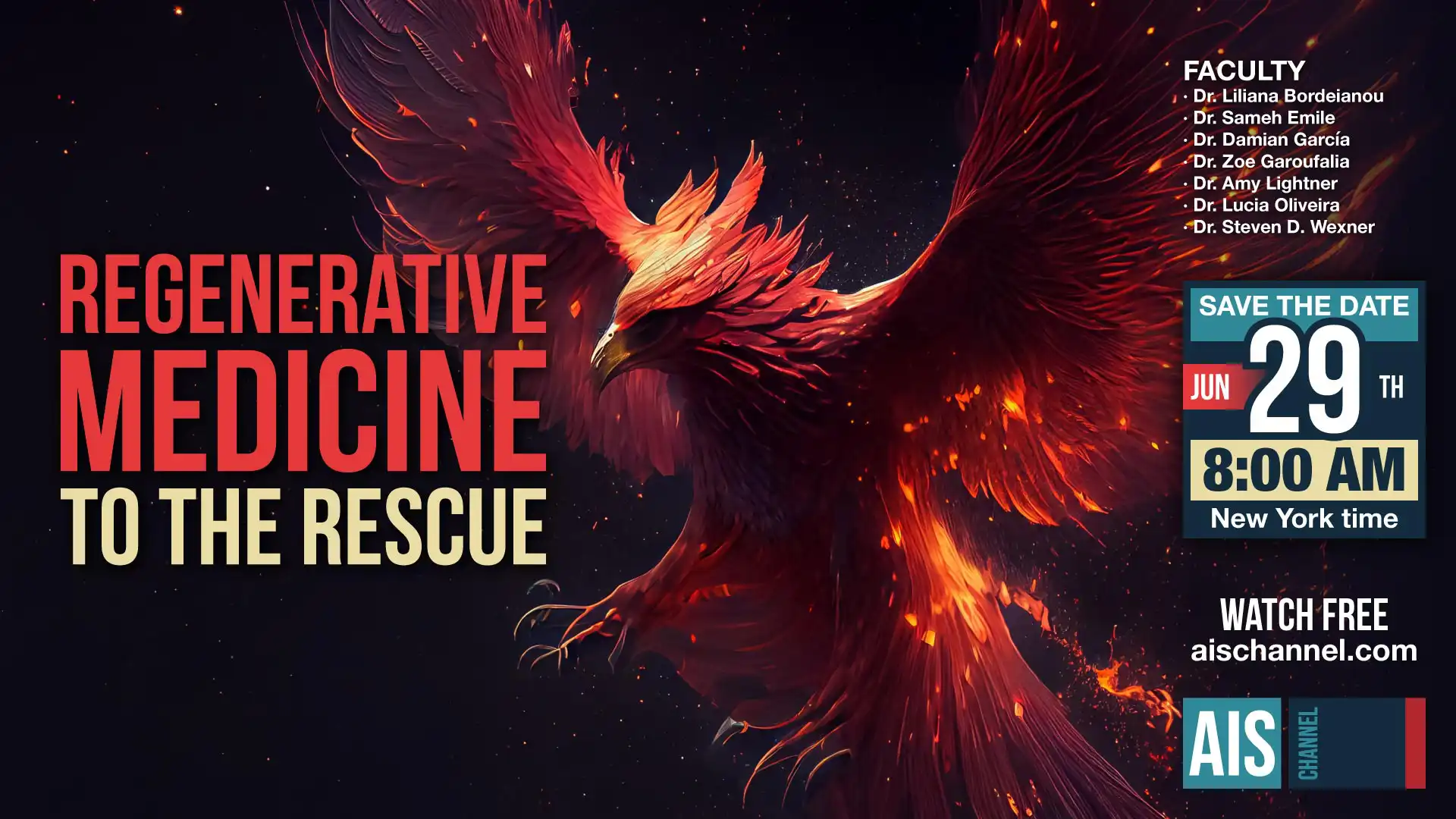
The management of anal fistulas is one of the greatest challenges. The need to preserve continence while permanently eradicating the fistula is the ultimate desired goal. Unfortunately, none of the ever-expanding myriads of treatments is a panacea; high rates of failure and of recurrence are consistently experienced. Regenerative or autologous tissue replacement therapies differ from all other options in encouraging tissue growth rather than destroying, ablating, or excising tissue. This program will demonstrate the role of autologous stem cells and gracilis muscle interposition in the treatment of some of the most challenging fistulas.
With Takeda
Published
Jun 2023
Help your network discover Dr. Lucia Oliveira's clinical expertise.