

Axonics® is dedicated to improving the quality of life of people suffering from bladder and bowel dysfunction, conditions that impact the lives of tens of millions of adults globally. The Company’s products include the Axonics Sacral Neuromodulation Systems designed to treat overactive bladder and fecal incontinence and the Bulkamid®️ hydrogel designed to treat women with stress urinary incontinence. For more information, visit www.axonics.com and www.bulkamid.com.
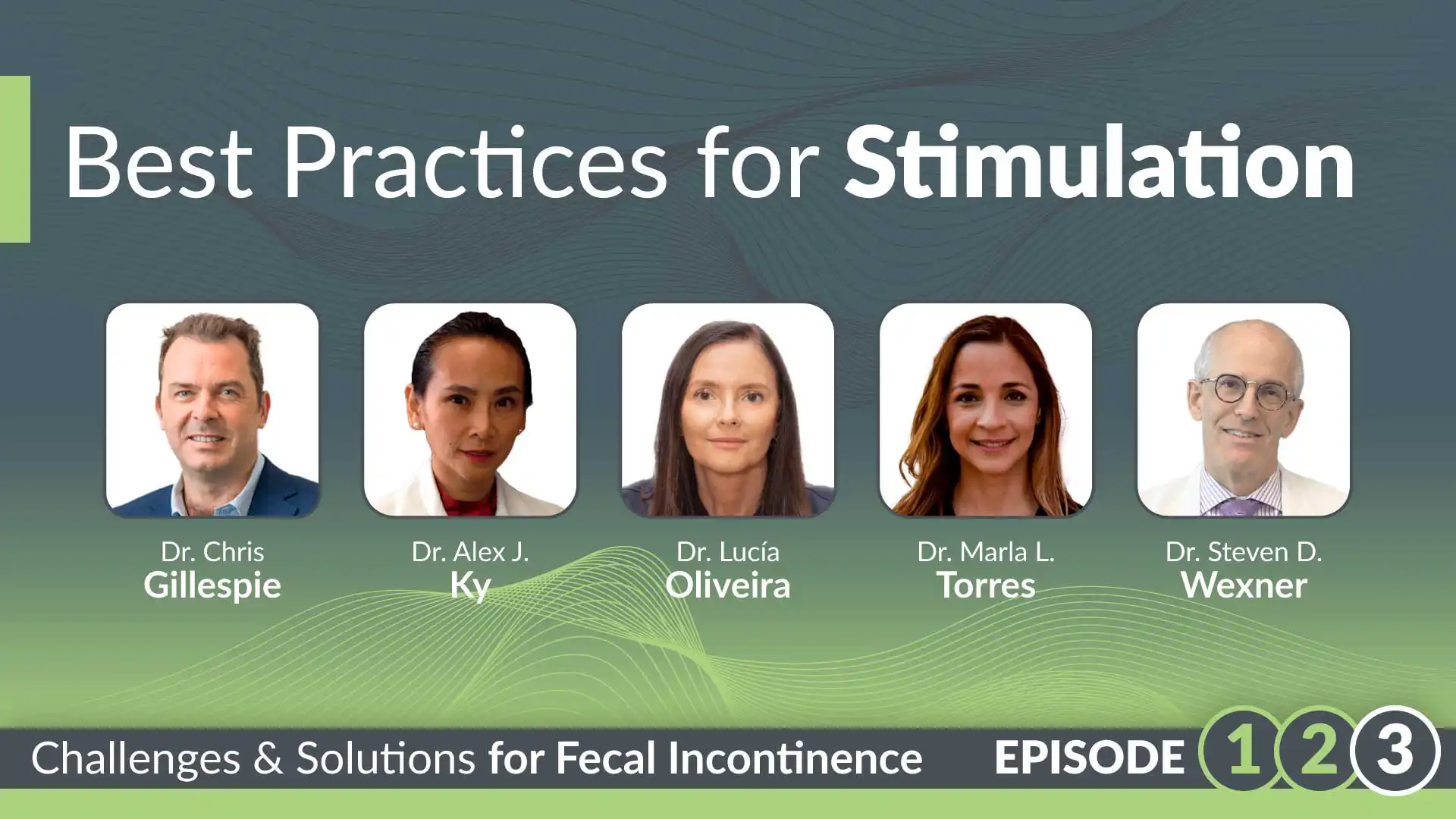
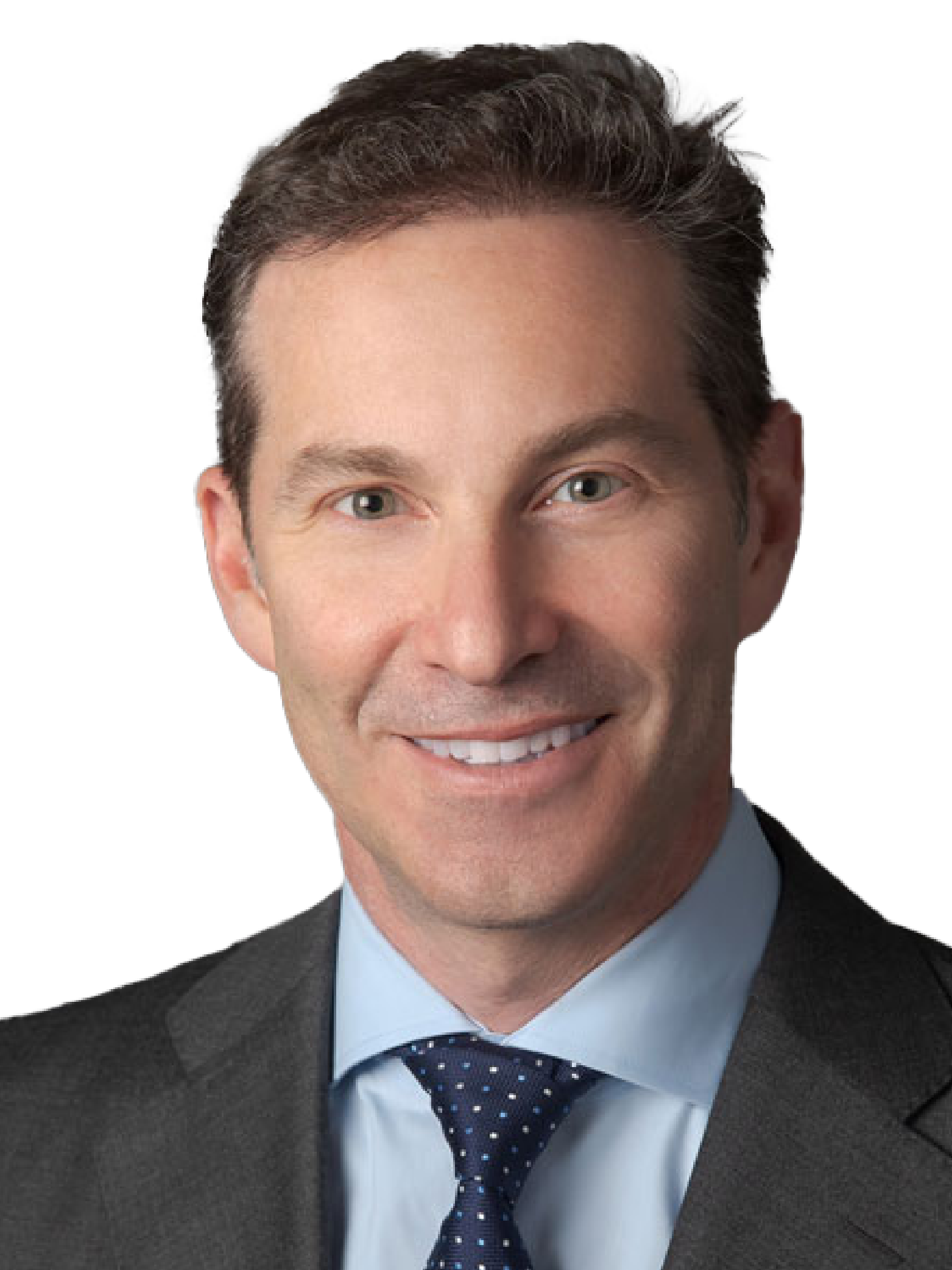
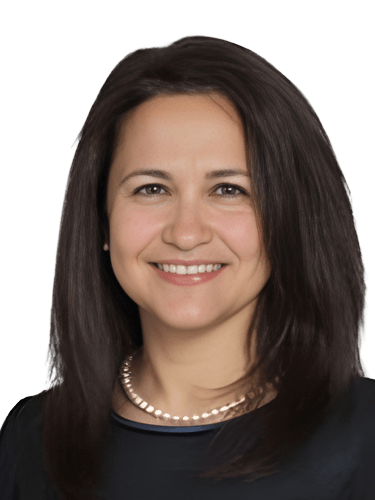
In the previous two sessions of this three-part series on sacral neuromodulation (SNM), we explored the reasons why SNM is now the preferred surgical treatment for fecal incontinence. This third session will focus on optimizing the results of SNM. Our internationally renowned experts will discuss cost-effective approaches to SNM and evaluate the differences among various implants. Additionally, insights into alternative stimulation methods will be presented. Welcome & Introduction - Dr. Steven D. Wexner (USA) Maintaining Cost-effectiveness of SNM - Dr. Marla L. Torres (Puerto Rico) Troubleshooting and Optimizing Outcomes - Dr. Chris Gillespie (AUS) Comparing Implants – Dr. Alex J. Ky (USA) Surgery - PTNS Best Practices – Dr. Lucia Oliveira (Brazil) Panel Discussion - All faculty moderated by Dr. Steven D. Wexner (USA) Closing Remarks - Dr. Steven D. Wexner (USA)
Published
Nov 2024
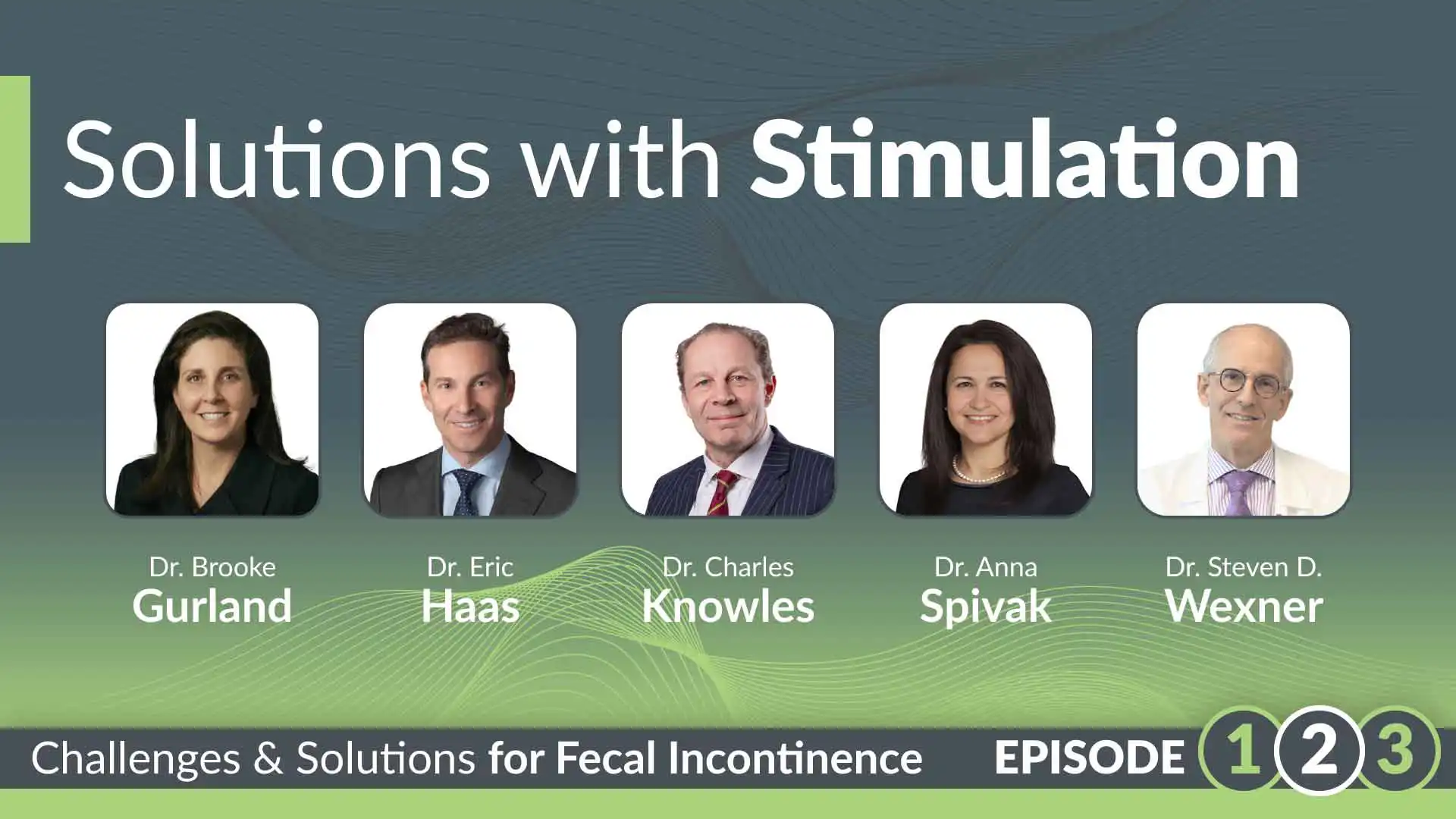
Fecal incontinence is a disabling condition for which the long-term traditional operative methods have been disappointing. During the last 2 decades, sacral neuromodulation has emerged as the preferred first-line surgical option for many patients with debilitating fecal incontinence. This program will focus on the rationale for and results of sacral neuromodulation for fecal incontinence. The world-renowned faculty will explain the mechanisms of action, discuss patient selection, and demonstrate the surgical technique. The cutting-edge comprehensive content is of tremendous importance to all physicians and surgeons who evaluate and manage patients with fecal incontinence. PROGRAM: Welcome & Introduction - Dr. Steven D. Wexner (USA) Mechanism of Action of SNM - Dr. Charles Knowles (UK) The Evidence for SNM – Dr. Eric Haas (USA) Patient Selection – Dr. Anna Spivak (USA) Surgery - SNM Implantation – Dr. Brooke Gurland (USA) Panel Discussion - All faculty moderated by Dr. Steven D. Wexner (USA) Closing Remarks - Dr. Steven D. Wexner (USA)
Published
Oct 2024
.webp)
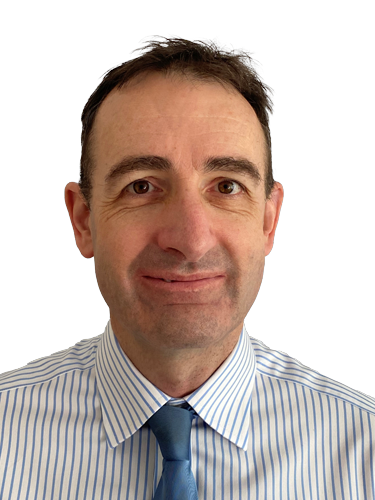
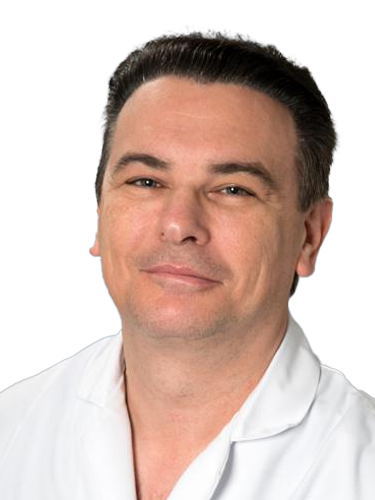
Fecal incontinence is a devastating problem reported to occur at least once annually in up to 20% of adults. The success rates of traditional procedures such as sphincteroplasty have proven disappointing. Accordingly, many newer treatments have been enthusiastically introduced and disappointingly abandoned. The one exception to this pattern is sacral neuromodulation which, unlike all other treatment in which the efficacy wanes with time, shows sustained long-term improvement. In this program, which is the first of a three-part series, the etiology and evaluation, and traditional surgical treatments for fecal incontinence will be discussed. The program will then review the results and techniques of the operation which has become the global preference for fecal incontinence: sacral neuromodulation. Welcome & Introduction - Dr. Steven D. Wexner (USA) Etiology & Evaluation - Dr. Gennaro LaBella (USA) Traditional Surgical Options - Dr. Claire Peeples (USA) Sacral Neuromodulation Results - Mr. Keith Chapple (UK) Surgery - Sacral Neuromodulation Technique – Prof. David Lubowski (AUS) Panel Discussion - All faculty moderated by Dr. Steven D. Wexner (USA) Closing Remarks - Dr. Steven D. Wexner (USA)
Published
Sep 2024
Colorectal Surgery

Colorectal Surgery

Colorectal Surgery

Colorectal Surgery

Colorectal Surgery
Colorectal Surgery
Colorectal Surgery
Colorectal Surgery

Colorectal Surgery

Colorectal Surgery
Colorectal Surgery

Colorectal Surgery
Colorectal Surgery
Share it with your network and help spread clinical knowledge.