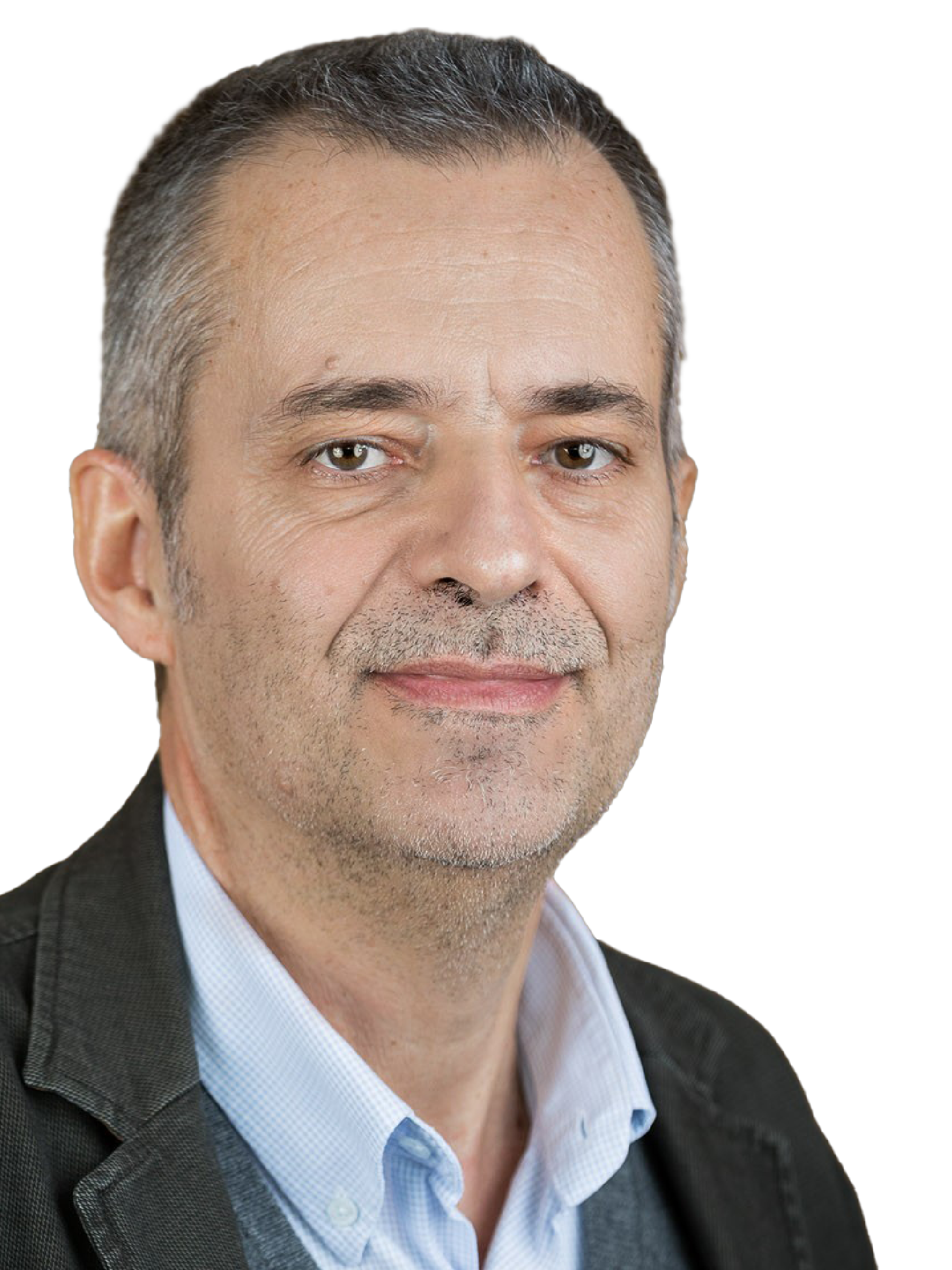
Born on November 9, 1961, I have been a Professor of Digestive Surgery since 1997 and Head of the Department of colorectal surgery at Beaujon Hospital (University of Paris) since 2007. My main clinical topic (for both clinical practice and publications) is colorectal surgery, with special interest in IBD, rectal cancer and laparoscopy. As of the end of 2021, I have 440 citations in PubMed, with an H index of 79. In clinical research, I have run, as the main researcher, 6 multicentric randomized studies (3 already published) on early stoma closure, bowel preparation in rectal cancer surgery, bladder drainage in rectal cancer surgery, fast track program in laparoscopic colorectal cancer surgery, one-trocart colonic surgery, and prosthetic mesh after temporary stoma closure after laparoscopic TME. Among my published papers, I published a paper in Lancet on ileal pouch anal anastomosis, two papers in Annals of Surgery on segmental reversal of the small bowel for the treatment of short bowel syndrome, and one in Annals of Surgery suggesting the very low risk of infertility after laparoscopic IPAA. As amember of the board of S-ECCO, I have been involved in creating the recent guidelines on surgical treatment of ulcerative colitis, and as a member of EAES I have contributed to the recent guidelines on early rectal cancer. Until the end of 2016 I was the president of the GRECCAR Group (French group on rectal cancer treatment) and of GETAID Surgery (French group on IBD surgery).

PROGRAM 1. Redoanastomosis for chronic leak is perfect - Dr. Yves Panis In this video, Dr. Panis discusses redo anastomosis for chronic cases. Anastomosis is the most common long-term complication, so it is obviously an important topic. How should treatment be performed to reduce the risk of the patient developing this complication? To answer this question, he describes two different kinds of situations in which surgeons can find themselves. He explains how to perform the procedure in each case, using videos and giving data from the literature that prove the efficiency of each procedure. 2. Redo anastomosis in acute leaks - Dr. Luigi Boni Any surgery has complications, some of which are more severe or more likely. In the case of colorectal surgery, the main complication is anastomotic leakage, with grade C leaks being the most severe. What is the best treatment for these cases: open or laparoscopic? To answer this question, both methods are compared on the basis of scientific data. However, grade C leaks are not the only leaks surgeons can find. The best treatment for grade B is also discussed, as are the different types of treatment, describing their pros and cons and how treatment is carried out.. 3. Use of vacuum therapy in colorectal anastomotic leak - Dr. John Monson Anastomotic leakage is a serious postoperative complication after colorectal surgery due to various negative factors that affect the patient. There is no specific rule to predict anastomotic leakage, but there is a number of risk factors that increase its likelihood. The same is the case with management of this complication. Endoscopic therapy has not been established as standard, so not all patients can be treated with it.. But for those who are able to be treated with this therapy, a number of surgical instruments can be used to for this kind of management.
With Johnson & Johnson MedTech
Published
Feb 2022

Dr. Roel Hompes, Dr. Masaaki Ito, Dr. Antonio M. Lacy, Dr. Yves Panis, Dr. Nicolas Rotholtz and Dr. Patricia Sylla present the "Should We Change the Strategy in Patients with Compromised Tissue in Colorectal Surgery?" event.
With Johnson & Johnson MedTech
Published
Sep 2020

Laparoscopic TME with low colorectal end-to-end anastomosis (stapled) and temporary ileostomy.
With Johnson & Johnson MedTech
Published
Sep 2019

First, the past, present and future of the total mesorectal excision were discussed by its creator, Richard Heald. Then a series of lectures given by Mariana Berho, Paris Tekkis and Steven Wexner focused on hot topics: Do the results of TME vary by technique?, Do the clinical outcomes vary with technique? and Attempts to reduce anastomotic leaks. A block of videos was broadcast where the surgical approaches to TME were evaluated. Brendan Moran talked about the open approach and its place in current practice. Yves Panis talked about the laparoscopic TME and its advantages. Jim Khan was in charge of demonstrating the robotic TME, showing how an accurate dissection was performed. And Antonio Lacy explained all the essentials, tips and tricks to perform a taTME, which is the most innovative and least invasive approach. The most interesting part of the event was having great surgeons perform simultaneous and live open, laparoscopic, robotic and transanal TME procedures. This dynamics made it possible to compare the benefits, limitations and pitfalls of the current approaches in front of a huge audience of surgeons from all over the world. It was an amazing experience. Once the specimens had been resected the quality of the dissection was assessed by Mariana Berho and Nicholas West. Finally the panel of experts held a discussion, giving their views and recommendations. Regarding the statistics of the event, the AIS Channel Winter Event 2016 was again hugely successful. It was seen live by more than 25,000 viewers from 102 countries. Interaction with the global audience was once again very powerful. Moreover, these amazing figures will increase once the event is published on AIS for permanent viewing in the next few days.
Published
Nov 2016
Help your network discover Dr. Yves Panis's clinical expertise.