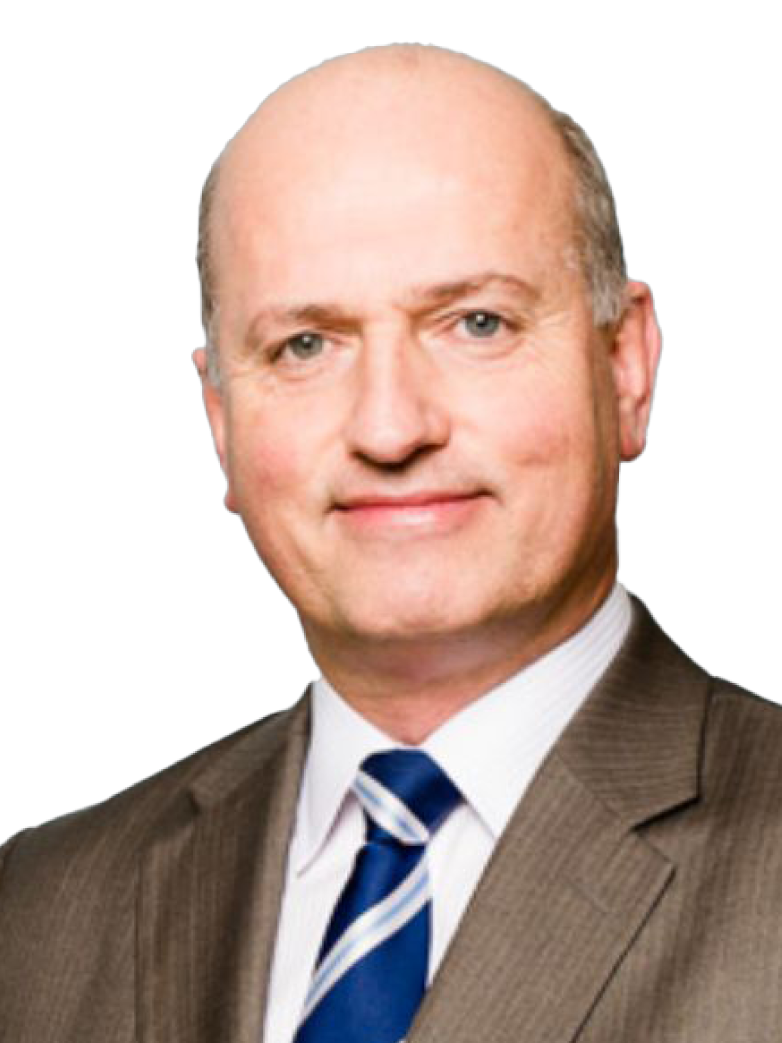
Prof. Dr Dr habil. Thomas Carus is a specialist in bariatric surgery and head of the Department for General and Visceral Surgery at the Bassum Clinic. The motivated and experienced team around Prof. Carus supports patients with severe overweight on their way to an easier and healthier life through an individually developed program for permanent weight reduction. In the process, necessary surgeries are carried out with the most up-to-date surgical techniques in a patient-friendly manner.
Selected publications from PubMed
Biological vs Synthetic Mesh in Laparoendoscopic Inguinal Hernia Repair: The BIOLAP Randomized Clinical Trial.
Seefeldt CS, Knievel J, Deeb M, Hoedt NT, Rudroff C, Essen R, Antoine D, Kaiser GM, Jacobi CA, Gross-Weege W, Gänsler W, Lammers BJ, Bonk C, Hildebrandt F, Carus T, Meyer M, Bebobru M, Krökel A, Dornbusch J, Schneider M, Cerasani N, Stechemesser B, Lefering R, Bulian DR, Ströhlein MA, Rieger A, Lange J, Meyer-Zillekens JS, Eisenberger CF, Heiss MM
JAMA Surg. 2025 Dec 1;160(12):1309-1316 doi: 10.1001/jamasurg.2025.4071.
Fluorescence-Guided Surgery in Metabolic and Bariatric Surgery: Current Status and Future Directions.
Lainas P, Chand M, Baldari L, Diana M, Cortés-Guiral D, Boni L, Carus T
Obes Surg. 2025 Sep;35(9):3401-3403 doi: 10.1007/s11695-025-08111-0.
Pre- and Postbariatric Subtypes and Their Predictive Value for Health-Related Outcomes Measured 3 Years After Surgery.
Schäfer L, Hübner C, Carus T, Herbig B, Seyfried F, Kaiser S, Dietrich A, Hilbert A
Obes Surg. 2019 Jan;29(1):230-238 doi: 10.1007/s11695-018-3524-1.
Achieving high quality standards in laparoscopic colon resection for cancer: A Delphi consensus-based position paper.
Lorenzon L, Biondi A, Carus T, Dziki A, Espin E, Figueiredo N, Ruiz MG, Mersich T, Montroni I, Tanis PJ, MISiCOL Task Force, Benz SR, Bianchi PP, Biebl M, Broeders I, De Luca R, Delrio P, D'Hondt M, Fürst A, Grosek J, Guimaraes Videira JF, Herbst F, Jayne D, Lázár G, Miskovic D, Muratore A, Helmer Sjo O, Scheinin T, Tomazic A, Türler A, Van de Velde C, Wexner SD, Wullstein C, Zegarski W, D'Ugo D
Eur J Surg Oncol. 2018 Apr;44(4):469-483 doi: 10.1016/j.ejso.2018.01.091.
Identifying prebariatric subtypes based on temperament traits, emotion dysregulation, and disinhibited eating: A latent profile analysis.
Schäfer L, Hübner C, Carus T, Herbig B, Seyfried F, Kaiser S, Schütz T, Dietrich A, Hilbert A
Int J Eat Disord. 2017 Oct;50(10):1172-1182 doi: 10.1002/eat.22760.

How can ICG fluorescence imaging help to improve the assessment of intestinal perfusion? It can be used for vascular perfusion, a leak test, biliary mapping, lymphatic mapping, and tumor localization. As many of you will know, anastomotic leaks are frequent and important complications. For fluorescence angiography, the required equipment for a laparoscopic application is needed, 0.2 or 0.3 mg of ICG per kg of body weight intravenously. It is certainly true that fluorescence appears after 30 or 60 seconds. It is very useful for gastric pull-up during esophagectomy and reconstruction after gastrectomy. A meta-analysis of ICG vs. non-ICG shows that anastomotic leakages are less likely to occur in patients who underwent esophagectomy using ICG, . When it comes to fluorescence during bariatric surgery, it must be borne in mind that it is an elective surgery with high risk for patients and there should be zero tolerance for complicationa or death. Another publication states that most leaks occur after negative leak tests due to insufficient blood supply and late staple line failure. In the case of colorectal surgery, the main factor for uncomplicated healing is tension-free and sufficient blood perfusion. To sum up, visual assessment may underestimate the real perfusion, allowing for real-time visualization of blood flow and it is important for esophageal and colorectal surgery. The main advantages are intraoperative changes of the procedure before complications occur and it is a useful tool for education of young surgeons. It is certainly true that using fluorescence angiography can reduce the leak rate.
With Karl Storz
Published
Feb 2022
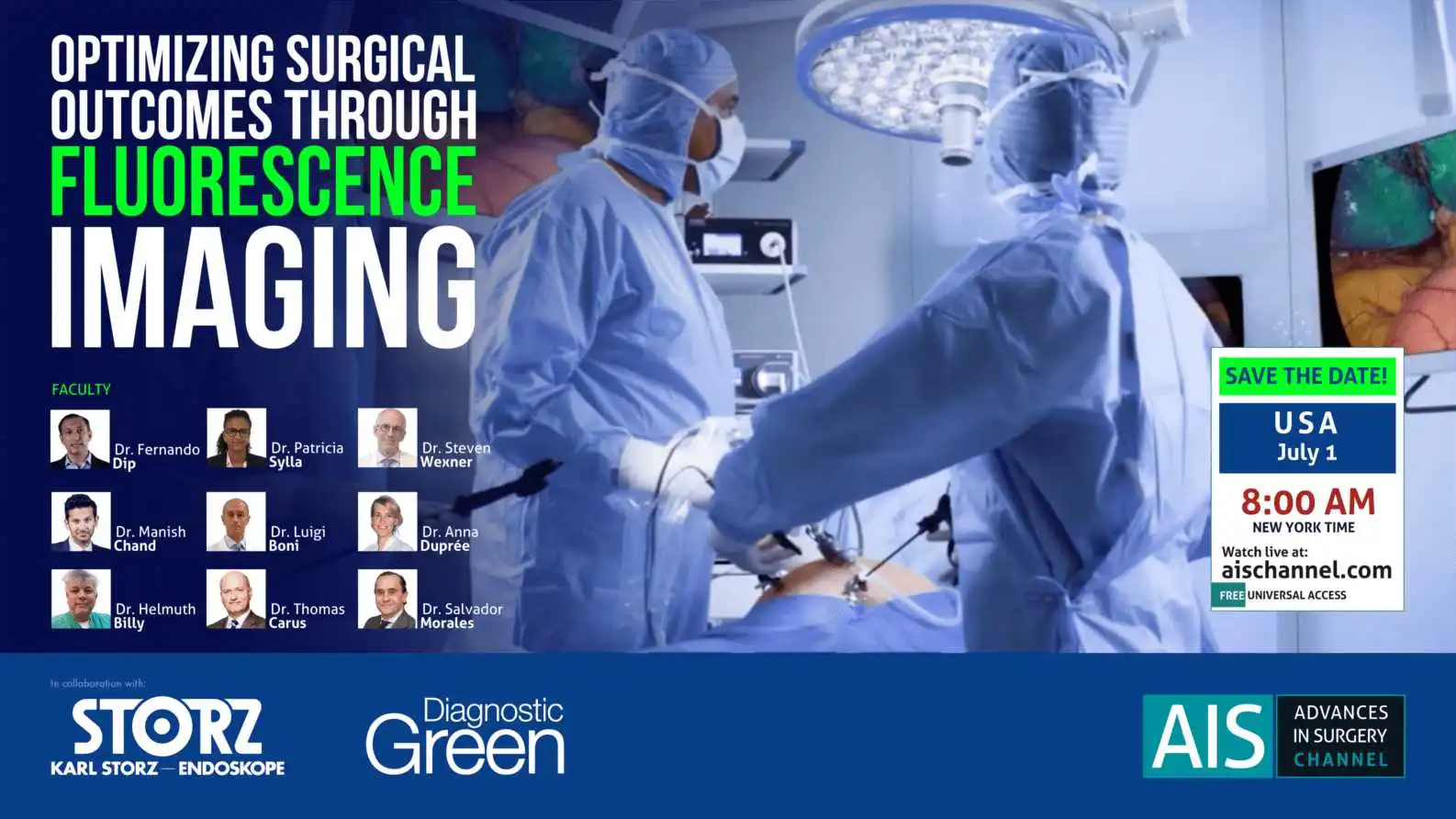
Fluorescence Imaging event presented by Dr. Manish Chand and Dr. Steven Wexner.
With Karl Storz
Published
Jul 2021
Help your network discover Dr. Thomas Carus's clinical expertise.