Expert surgeon in thyroid, parathyroid and adrenal operations, with more than 5000 interventions performed in the last 20 years, he has become a reference in thyroid surgery in Spain and Europe, due to his ability to adapt innovations and new technological advances to the most frequently performed operations.
The 2nd AIS SurgEndocrine Event was devoted to parathyroid gland handling during a total thyroidectomy. Two live total thyroidectomies were performed with a specific focus on parathyroid gland preservation. Faculty and viewers across the world interacted with the surgeons during the procedure, and a debriefing session between chairs and faculty took place at the end of the meeting. Parathyroid gland management issues regarding to postoperative hypocalcemia and hypoparathyroidism were discussed.
With Olympus
Published
Mar 2017

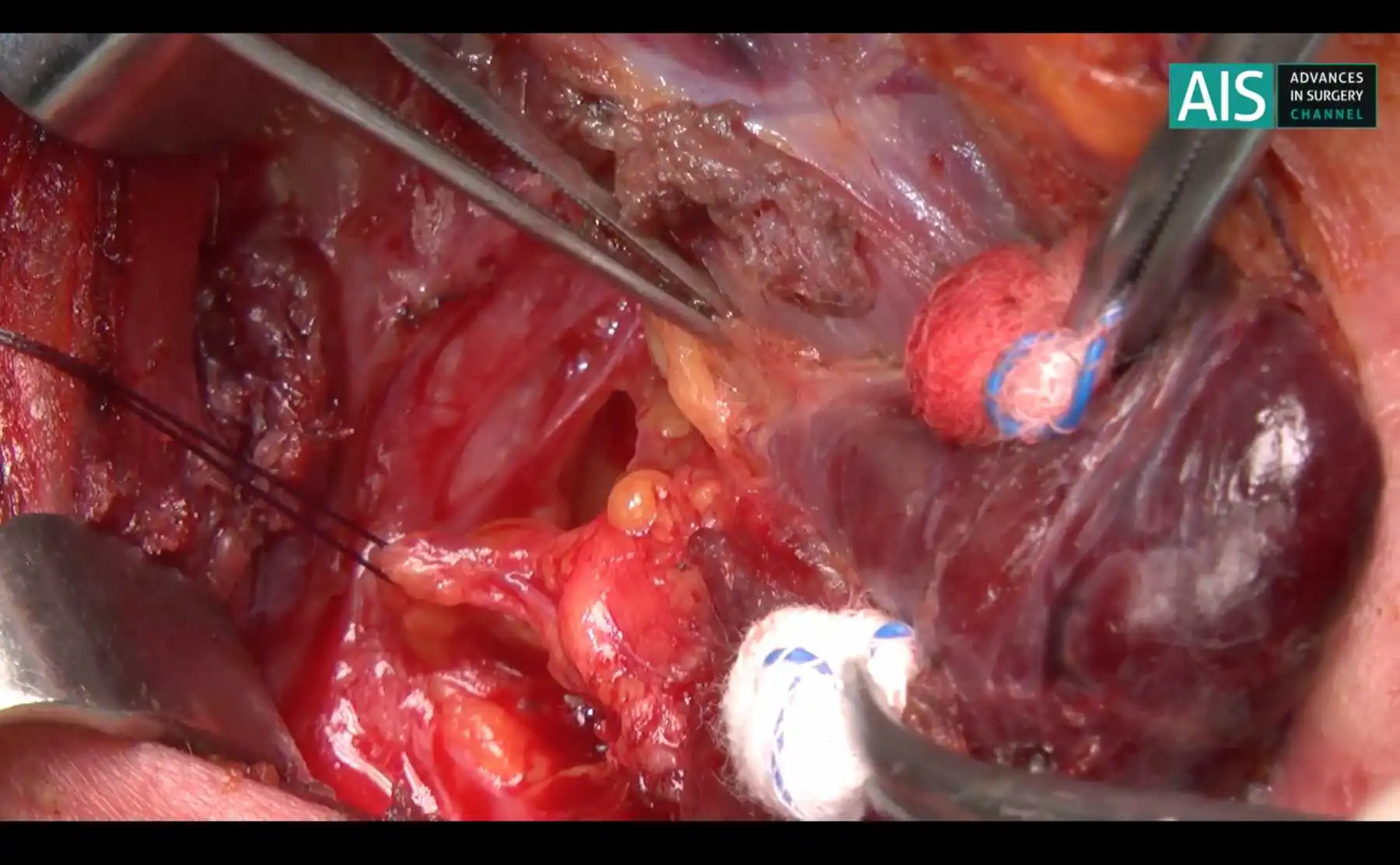
Recent technological advances have made it possible to develop new, increasingly less invasive surgical approaches, such as Natural Orifices Transluminal Endoscopic Surgery (NOTES) or Single Port Laparoscopic Surgery (SILS). These new approaches involve a reduction in morbidity, analgesic requirements and a better aesthetic outcome. As a result of these advances retroperitoneal adrenalectomy is currently a safe and reproducible procedure. Case A 33-year-old woman with a medical history of appendectomy and cholecystectomy was diagnosed with Cushing’s disease secondary to a 35 mm right adrenal tumour shown by MRI. Treatment The patient was placed in the prone position with flexed legs. A 25 mmHg pneumoretroperitoneum was performed and three trocars were used. The retroperitoneum was dissected until the lesion was found. During dissection it was found that a vena cava lesion had been caused. The high pressure pneumoretroperitoneum made it possible to contain the haemorrhage and complete the dissection in order to have an optimal surgical field to repair the lesion. The repair was carried out using clips and no further haemorrhage was found. Outcome The postoperative course was uneventful and the patient was discharged on the second postoperative day. In conclusion, the retroperitoneal approach to adrenalectomy is a safe procedure even though the risk of damaging the vena cava during right adrenalectomy is still one of the main and most dangerous complications of this procedure. The high pressure pneumoretroperitoneum helps to contain the haemorrhage and thus makes it possible to improve the surgical field and plan the best approach to repair the lesion.
Published
Nov 2016
Help your network discover Dr. Oscar Vidal's clinical expertise.