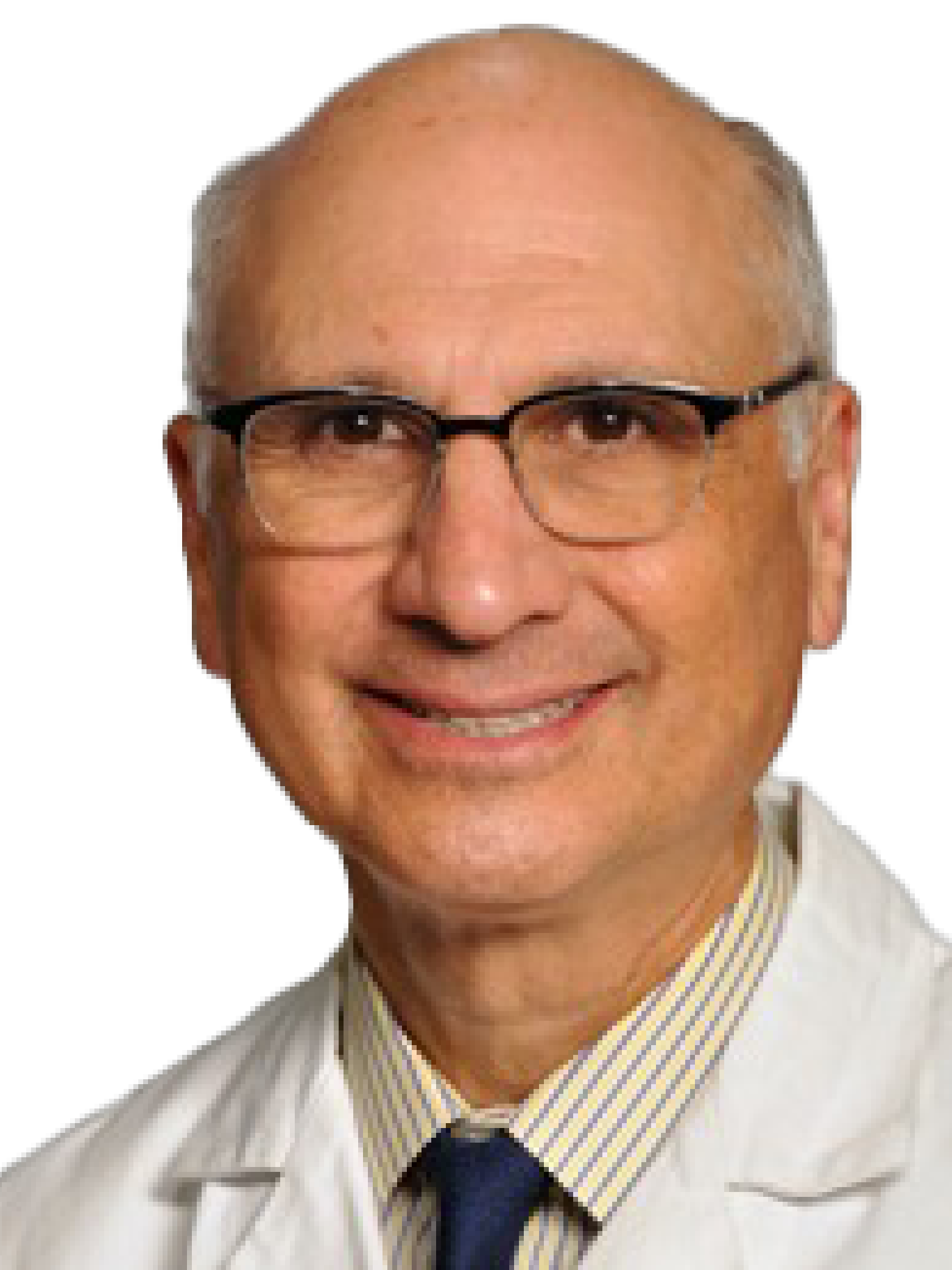
Dr Alverdy is the Sarah and Harold Lincoln Thompson Professor of Surgery, Executive Vice-Chair of the department of surgery and associate director of the NIH funded Digestive Disease Research Center Core (DDRCC) at the University of Chicago. He is also a fellow of the Institute of Molecular Engineering at the University of Chicago. Dr Alverdy has been continuously RO1 funded by the NIH for over 20 years and has trained over 100 undergraduate students, graduate students, medical students and surgical research fellows in his laboratory. He studies the molecular pathogenesis of infection-related surgical complications such as sepsis, surgical site infections and anastomotic leak. He is past president of the Surgical Infection Society, past recipient of the Ravdin lectureship and Surgical Forum dedication from the American College of Surgery and recipient of the Flance-Karl Award from the American Surgical Association. He is co-founder and chief scientific officer of Covira Surgical which develops non-antibiotic polymer based anti-infective compounds to combat postoperative infection.
Dr Alverdy attended medical school at the Autonomous University of Guadalajara and Loyola University and received his surgical training at the University of Chicago affiliated Michael Reese Hospital. He completed a surgical research fellowship at the University of California San Francisco under the mentorship of Dr George Sheldon and Donald Trunkey. Dr Alverdy has an active practice involving minimally invasive/robotic surgery of esophagus, stomach and pancreatobiliary tree.
Selected publications from PubMed
The Microbiome in Critical Illness.
Klingensmith NJ, Leonard JM, Martinez-Quinones P, Chang CWJ, Nagpal R, Efron PA, Ostermann M, Cresci GAM, Keskey RC, Alverdy JC, Coopersmith CM, Kaplan LJ
Crit Care Med. 2026 Aug 26 doi: 10.1097/CCM.0000000000007327.
Nasogastric Tubes-Indications, Placement, and Management: A Review.
Alverdy JC, Boermeester MA, Salminen P, Zuckerbraun BS
JAMA Surg. 2026 Aug 5 doi: 10.1001/jamasurg.2026.3223.
Case presentation and panel discussion: Critical illness.
Mundi MS, Patel JJ, Mechanick JI, Arabi YM, Alverdy J, Puthucheary Z, McClave SA
JPEN J Parenter Enteral Nutr. 2021 Nov;45(S2):79-84 doi: 10.1002/jpen.2250.
Spatioregional assessment of the gut microbiota in experimental necrotizing pancreatitis.
van den Berg FF, Hugenholtz F, Boermeester MA, Zaborina O, Alverdy JC
BJS Open. 2021 Sep 6;5(5) doi: 10.1093/bjsopen/zrab061.
Western-type diet influences mortality from necrotising pancreatitis and demonstrates a central role for butyrate.
van den Berg FF, van Dalen D, Hyoju SK, van Santvoort HC, Besselink MG, Wiersinga WJ, Zaborina O, Boermeester MA, Alverdy J
Gut. 2021 May;70(5):915-927 doi: 10.1136/gutjnl-2019-320430.

Surgical site infections (SSIs) are infections in the skin where an incision is made, infections below the incision in muscles and tissues and infections in deep organ spaces surrounding parts of the body involved in the surgery. Despite established guidelines and known risk factors, SSIs continue to be a common and costly issue in every type and class of surgical procedure. In fact, SSI are the most common SSIs are the most common and costly of all hospital-acquired infections. SSI incidence is directly related to higher mortality, re-intervention, and increased length of hospital stay. In the United States alone, an estimated 300,000 SSI occur annually at a cost of $10 billion. However, they are a global burden, with substantially higher SSI incidence in Low and Middle Income Countries. Thus, there is both an opportunity and an imperative to reduce SSI worldwide. In this episode of the AIS Channel Colorectal Surgical Journeys series, we bring together a group of experts to discuss the current state, known methods, and future possibilities for reducing SSI and improving the associated healthcare outcomes after surgery.
With Johnson & Johnson MedTech
Published
Mar 2022

PROGRAM 1. Preparing the colorectal surgery of the future for surgery - Bowel prep 2.0 and beyond - Dr. Neil Hyman / Dr. John Alverdy Dr Neil Hyman makes specific questions about Surgical Site Infection (SSI) and microbiome resistance. Dr John Alverdy answers those questions on the basis of his studies and research. An expert and specialist provide interesting insights and views in the form of a natural conversation between the two doctors. 2. Microbiome and colorectal anastomosis - Dr. Benjamin Shogan After a brief introduction of the microbial ecosystem, Dr. Shogan discusses the topic of intestinal microbial influences on intestinal healing. He describes various papers on microbial function and how it affects anastomotic leaks and their conclusions, as well as current developments. As is well known, the gut microbiome is a vast ecosystem that can be defined as a living organism in complete symbiosis with the host. It can serve as a barrier and perform some functions in the enteric nervous system and in mucus production. It is not surprising that the intestinal microbiome influences intestinal healing. When it comes to the preoperative microbiome in colorectal patients, this can be defined as abnormal. The conclusion obtained is that collagenase- producing organisms likely play a major role in the anastomotic leak. It’s certainly true that it is not known yet how to manipulate the GI tract to prevent these organisms.
With Johnson & Johnson MedTech
Published
Mar 2022
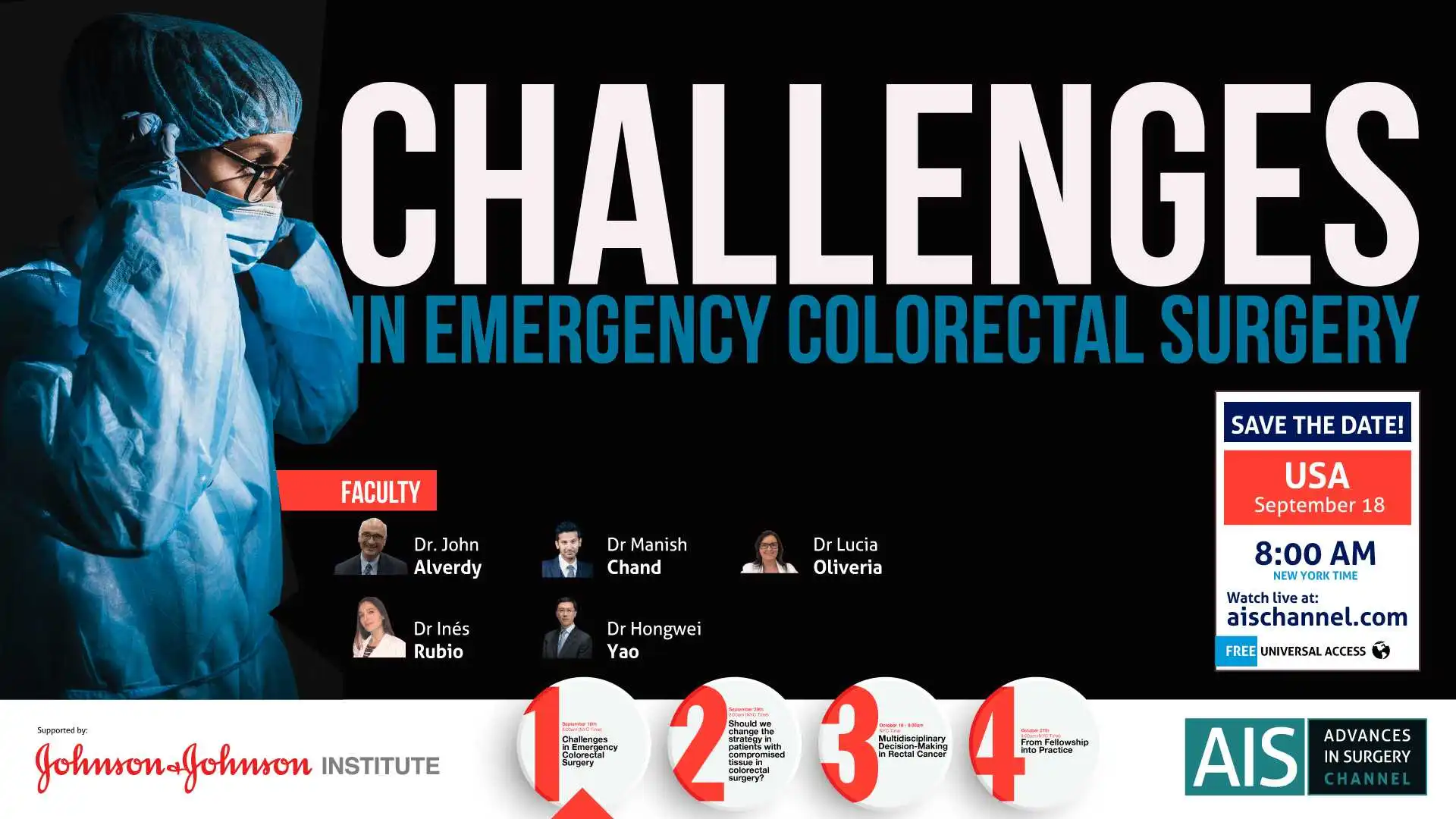
Dr. John Alverdy, Dr. Manish Chand, Dr. Lucía Oliveira, Dr. Inés Rubio and Dr. Hongwei Yao present the Challenges in Emergency Colorectal Surgery.
With Johnson & Johnson MedTech
Published
Jul 2020
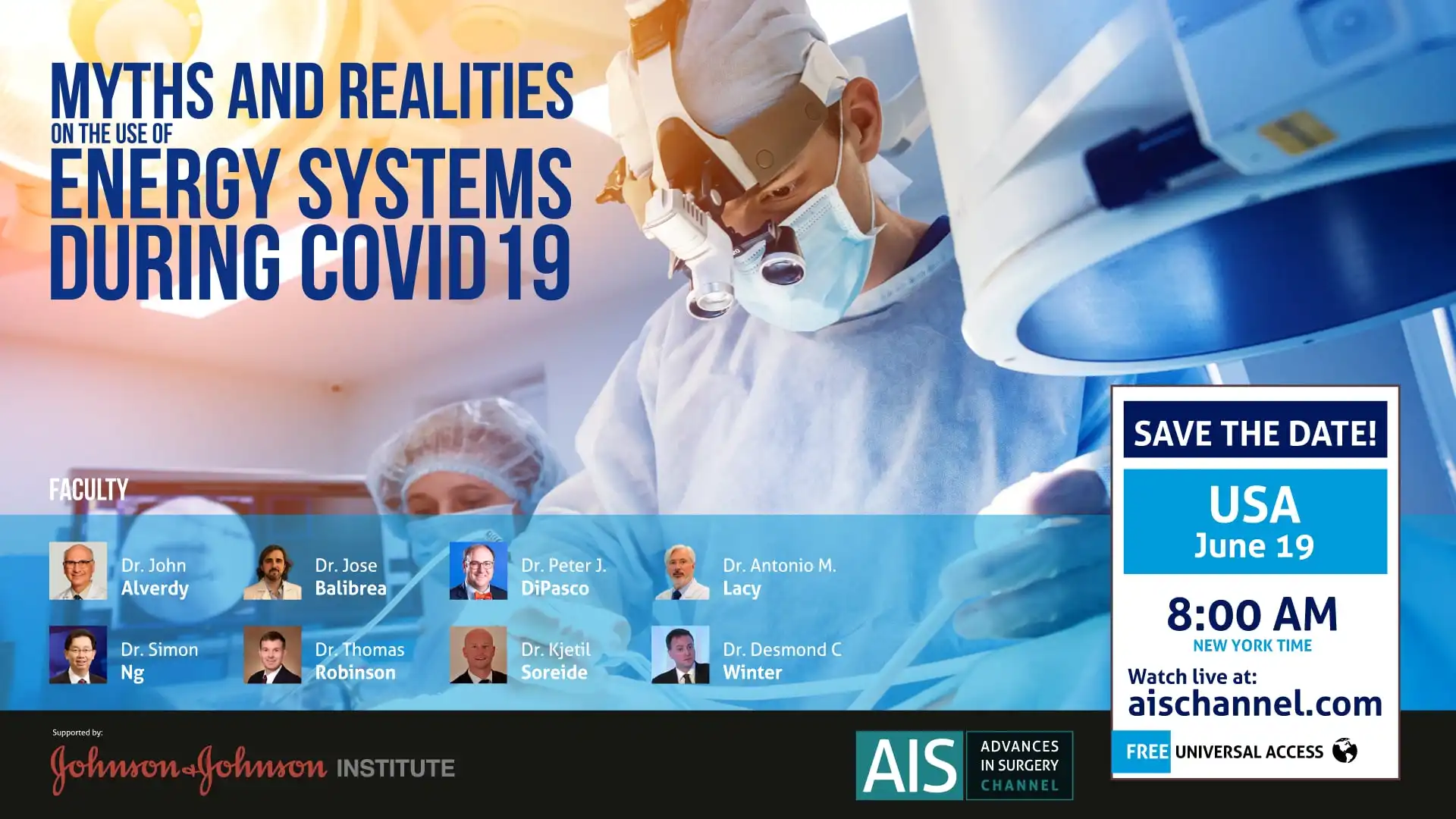
Welcome & Introduction, Dr. Antonio M. Lacy (Spain). Different types of energy and how they work. Dr. Thomas Robinson (USA). Surgical smoke and viruses: evidence on detection and transmission (monopolar, bipolar, ultrasonic and CO2 laser). Dr. Desmond C. Winter (Ireland). Aerosolization of SARS-CoV-2 with all energy devices. Dr. Jose Balibrea (Spain) Aerosolization of SARS-Cov-2 with ultrasonic energy. Dr. John Alverdy (USA) Surgical smoke evacuation. Dr. Peter J. DiPasco (USA) Energy usage by procedure type: open, lap & robotic. Dr. Simon Ng (China) Alternatives to energy in surgery: Do we need them? Dr. Kjetil Soreide (Norway) Discussion / Q&A. All debates moderated by Dr. Antonio M. Lacy (Spain) Closing Remarks. Dr. Antonio M. Lacy (Spain) FACULTY Dr. John Alverdy, MD, Executive Vice Chair, Department of Surgery, The University of Chicago Medicine, (USA) Dr. Jose Balibrea, Hospital Clinic of Barcelona, Gastrointestinal Dept. of Surgery, (Spain) Dr. Peter J. DiPasco, MD, Surgical Oncologist at the The University of Kansas Health System, (USA) Dr. Antonio M. Lacy, Hospital Clinic of Barcelona, Chief of Gastrointestinal Dept. of Surgery, (Spain) Dr. Simon Ng, Professor, Division of Colorectal Surgery, Department of Surgery, The Chinese University of Hong Kong, (China) Dr. Thomas Robinson, MD, Chief of Surgery at the Denver Veterans Administration Medical Center, Founder and medical director of the Center for Surgical Innovation (CSI), (USA) Dr. Kjetil Soreide, MD, PhD, Consultant Surgeon and Associate Professor at the Stavanger University Hospital and University of Bergen, (Norway) Dr. Desmond C. Winter, Consultant Surgeon at the St. Vincent’s Healthcare Group, Clinical Associate Professor in Surgery at the University College Dublin, (Ireland) Myths and Realities on the use of Energy Systems during COVID-19
With Johnson & Johnson MedTech
Published
Jun 2020
Help your network discover Dr. John Alverdy's clinical expertise.