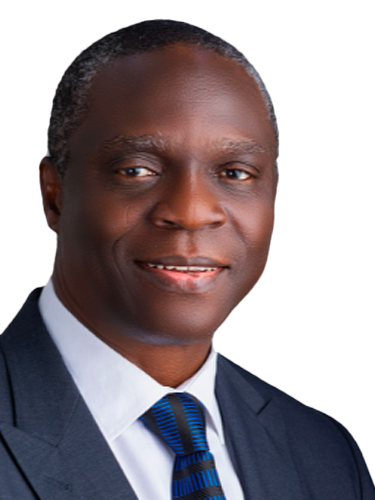
Dr Emmanuel R. Ezeome MB; BS, MA Bioethics, FWACS, is a Professor of Surgery at the University of Nigeria, Nsukka, Nigeria and a Surgical Oncologist and Head of General Surgery Division of the University of Nigeria Teaching Hospital, Enugu, Nigeria. He was until recently, the Director of the Oncology Center, University of Nigeria Teaching Hospital, Enugu Nigeria and is the current Director of the Bioethics Unit, Institute of Public Health, University of Nigeria where he leads the implementation of the Eastern Nigeria Research Ethics Training (ENRICH) program.
Dr Ezeome was an International Guest Scholar of the American College of Surgeons, an ICRETTI grant recipient and Fogarty Fellow in Bioethics. He is a member and a Fellow of many national and internal professional groups, including American Society of Clinical Oncology (ASCO), American College of Surgeons, Association of UICC Fellows as well as the Society of Oncology and Cancer Research of Nigeria (SOCRON).
In his role as the Director of the Oncology Center of the University of Nigeria Teaching Hospital, he pioneered the development of the first multidisciplinary comprehensive cancer treatment facility in Nigeria and the development of the Enugu Population based Cancer Registry. He is a member of the Nigerian National System of Cancer Registries (NSCR) and also a member of the Steering Committee of the 2 nd Nigerian National Cancer Control Plan. His areas of research interests are Cancer Epidemiology and Cancer Control in Resource Limited Environments. He has published more than 50 peer reviewed publications in International Journals and has presented over 60 conference papers and guest lectures. Currently, he is involved as a site principal investigator in the African Female Breast Cancer Epidemiology (AFBRECANE) Study, an NIH funded study under the H3 Africa project. He has recently completed work as site PI on the Nigerian Integrative Breast cancer study, a TRAPING supported NCD grant on different aspects of the molecular biology of breast cancer in Nigeria.
He is a former Chairman and Chief Examiner in Surgery, Faculty of Surgery, West African College of Surgeons. He is the first Vice President/President elect of the West African College of Surgeons.
.jpg)
The surgical workforce shortage is a major cause of lack of access to surgery in the Low and Middle-Income countries.
With American College of Surgeons
Published
Feb 2024

The unmet needs for surgical care are widely reported. It is recognized that up to 5 billion people have limited or no access to basic surgical needs. These populations are primarily located in the sub-Saharan region and southeast Asia. According to a report by the World Health Organization, workforce shortage is more critical than infrastructure problems. Training and retaining surgical and anesthesia workforce is a priority for all countries in the sub-Saharan region. The West African College of Surgeons (WACS) and the College of Surgeons of East, Central and Southern Africa (COSECSA) are leaders in the training and credentialing of the surgical workforce in their respective regions. In this broadcast we will learn about the history of these two surgical societies and the provision of surgical care. Women in surgery represent <10% of the surgeons in the region. We will explore the strategies to increase the number of women surgeons. Then the panel will discuss what the role of surgical associations in high-income countries, such as the American College of Surgeons, should be.
With Johnson & Johnson MedTech
Published
May 2022
Help your network discover Dr. Emmanuel R. Ezeome's clinical expertise.