
Colorectal Surgery
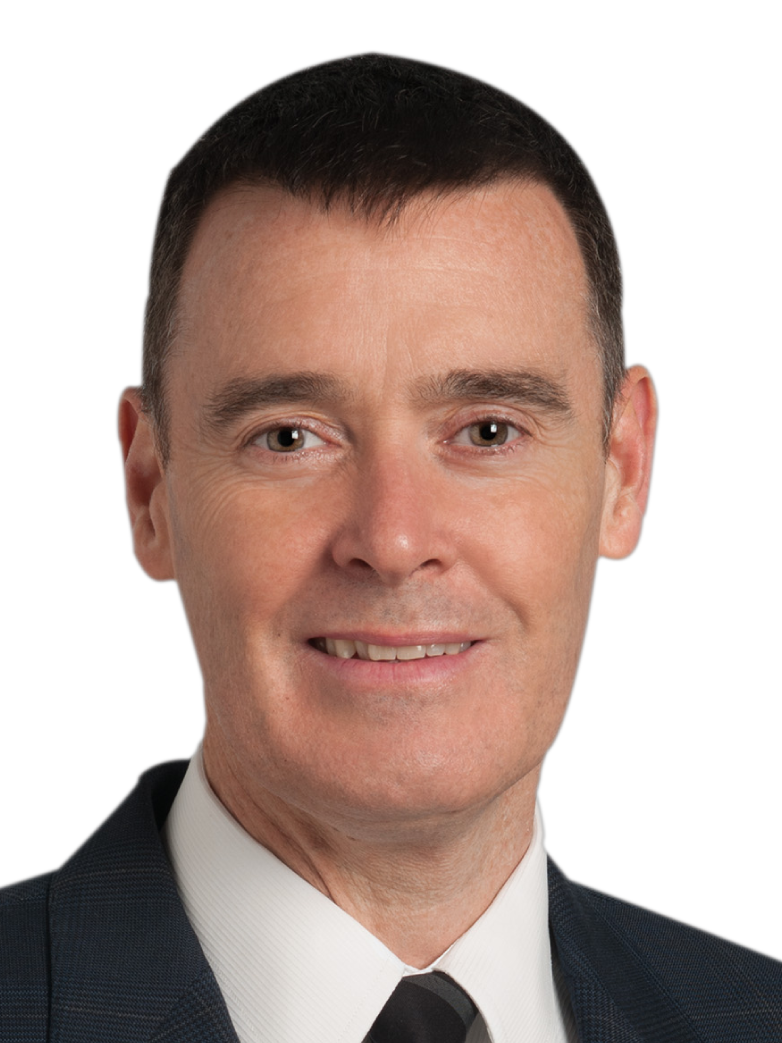
CEO and President, Cleveland Clinic Florida Region; President, American Society of Colon and Rectal Surgeons; Robert and Suzanne Tomsich Distinguished Chair in Healthcare Innovation; Professor of Surgery, Cleveland Clinic Lerner College of Medicine, USA
Selected publications from PubMed
A Connected Care platform for ostomates: a feasibility study.
Fearn R, Carter BU, Dinh BT, Sapci I, Delaney CP, Steele S, Gorgun E
J Gastrointest Surg. 2025 Sep;29(9):102121 doi: 10.1016/j.gassur.2025.102121.
Prospective randomized comparison of three-dimensional (3D) versus conventional laparoscopy in total colectomy for ulcerative colitis.
Sapci I, GamalEldin M, Rencuzogullari A, Yilmaz S, Kessler H, Hull T, Delaney CP, Steele SR, Gorgun E
ANZ J Surg. 2023 Sep;93(9):2155-2160 doi: 10.1111/ans.18368.
Does milk of magnesia impact length of hospital stay after major colorectal resection.
Tatar C, Hinckley S, Holubar SD, Liska D, Delaney CP, Steele SR, Gorgun E
ANZ J Surg. 2023 May;93(5):1248-1252 doi: 10.1111/ans.18196.
SAGES masters program: the top 10 seminal articles for the laparoscopic left and sigmoid colectomy pathway for complex disease.
Lee L, Young-Fadok T, Byrn J, Cannon L, Costedio M, Delaney CP, Hedrick T, Obokhare I, Haas E, Popowich D, Sylla P, members of the SAGES Colorectal Committee – Proficiency in Laparoscopic Left and Sigmoid Colectomy for Complex Disease subcommittee
Surg Endosc. 2023 Apr;37(4):2538-2547 doi: 10.1007/s00464-023-09965-0.
Do surface morphology and pit pattern have a role in predicting cancer for colon polyps in North America?
Ozgur I, Sapci I, Sengun B, Valente MA, Steele SR, Liska D, Delaney CP, Gorgun E
Surg Endosc. 2023 Mar;37(3):2354-2358 doi: 10.1007/s00464-023-09866-2.
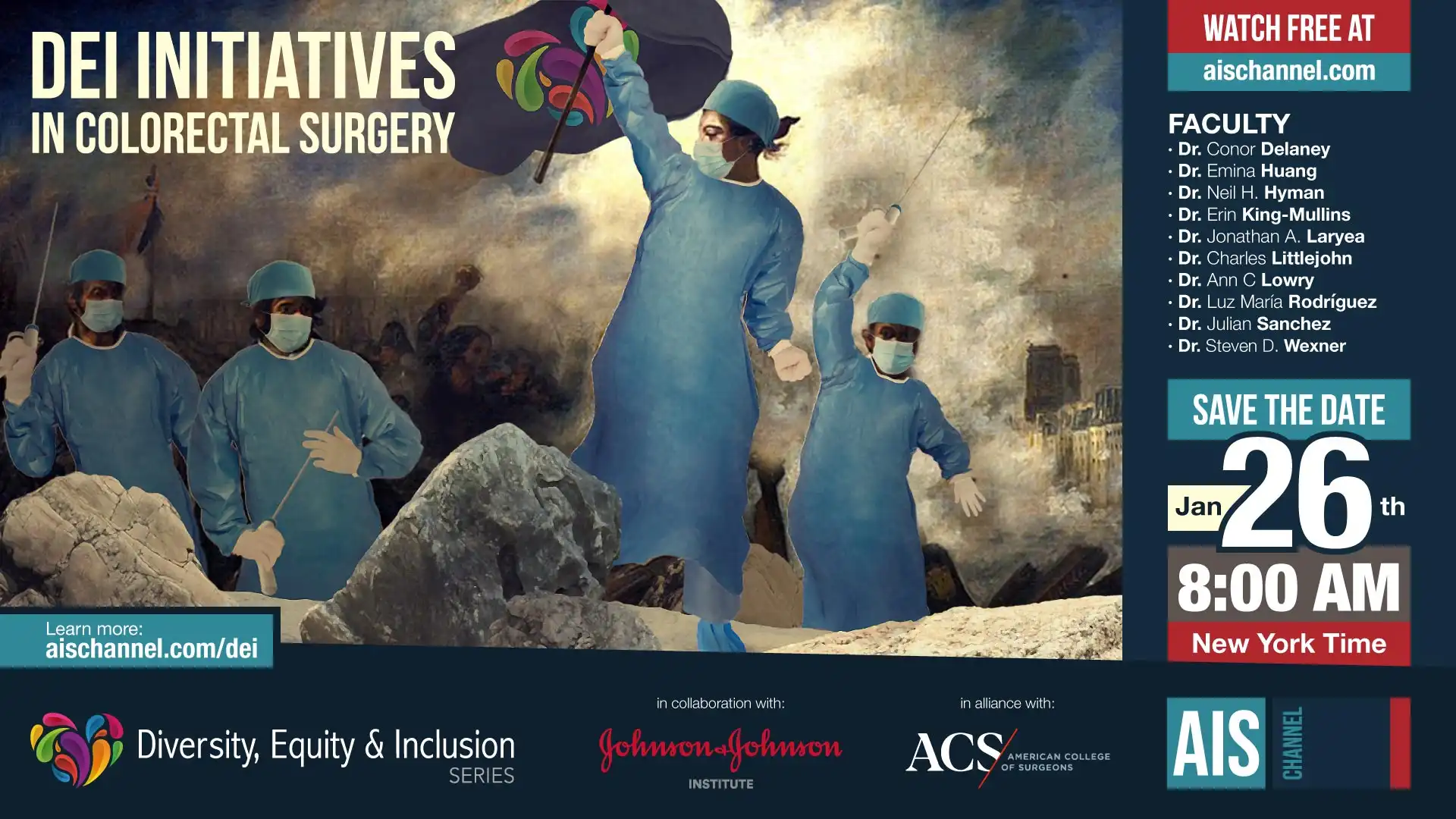
This program presents the many facets of colorectal surgery as a profession and a surgical specialty. The DEI Committee of the American Society of Colon and Rectal Surgeons was founded in 2020 in the midst of social and medical injustices. Our program today will feature the extensive important work being done by the American Society of Colon and Rectal Surgeons, as well as initiatives on the horizon, to make colorectal surgery a more equitable and just specialty for the medical community and society at large.
Published
Jan 2023

PROGRAM Creating a DE&I culture in a health care enterprise – Dr. Conor Delaney (USA)Prioritizing DE&I at the American College of Surgeons – Dr. Timothy Eberlein (USA)Conquering unconscious bias – Dr. Doug Wood (USA)Developing women leaders – Dr. Diana Farmer (USA)Disparities in cancer care – Dr. William Cance (USA)Diversity in Clinical Trials – Ms. Cassandra Smith (USA)Discussion –All faculty moderated by Dr. Steven Wexner (USA) and Dr. Patricia Turner (USA) FACULTY Dr William Cance (USA) – Chief Medical and Scientific Officer of the American Cancer Society Dr Conor Delaney (USA) – CEO of Cleveland Clinic Florida, USA Dr Timothy Eberlein (USA) – Director, Alvin J. Siteman Cancer Center, Spencer T. and Ann W. Olin Distinguished Professor; and Bixby Professor and Chairman, Department of Surgery, Washington University School of Medicine, USA Dr Diana Farmer (USA) – Chair of Surgery at the University of California Davis Health System; American College of Surgeons Board of Regents Ms. Cassandra Smith - Director, Diversity & Inclusion in Clinical Trials at The Janssen Pharmaceutical Companies of Johnson & Johnson Dr Patricia Turner (USA) – Director, Division of Membership Services, American College of Surgeons past Chair, AMA Council on Medical Education; past Chair, Surgical Section, National Medical Association; past President, Society of Black Academic Surgeons; and Member, Board of Directors, Council on Medical Specialty Societies Dr Steven Wexner (USA) – Director, Digestive Disease Institute, Chair, Department of Colorectal Surgery, Cleveland Clinic Florida, Past President American Society of Colon and Rectal Surgeons, Past President American Board of Colon and Rectal Surgery, Past President Society of American Gastrointestinal and Endoscopic Surgeons, Editor-in-Chief Surgery, Vice-Chair, Board of Regents, American College of Surgeons Dr Doug Wood (USA) – The Henry N. Harkins Professor and Chair, Department of Surgery, University of Washington; American College of Surgeons Board of Regents; Past President of the Society of Thoracic Surgeons; Past Director of the American Board of Thoracic Surgery; Past President Cardiothoracic Surgery Network (CTSNet)
Published
Jul 2021

To describe the future of rectal management, Dr. Delaney initially highlights the major achievements in rectal cancer surgery over the last 20 years: imaging, minimally invasive approaches, TaTME, and chemotherapy. Every improvement old and new should focus on improving overall survival, operative mortality, morbidity, reoperation and readmission and return to normal activity, resulting in a sustainable health system while improving patient care. Among the different changes that rectal cancer management will face over the next 20 years, Dr. Delaney emphasized: - Microbiome: it may be one of the key pillars for the future, although more research is still necessary to understand its role in surgery. - Personalized treatment: based on biobank analysis, decision-making could be guided by biopsy and genetic analysis. This will help to predict the response to chemoradiation, surgery, peri-operative medication, etc. - Watch & wait, where studying the response to chemotherapy may lead to organ-preserving surgery. - Imaging: it may determine more accurately the response to treatment and support decision-making more solidly. - Algorithms for surgical approaches, where the gold standard from among open, laparoscopic, robotic, or transanal total mesorectal excision is yet to be established. - Technique and reduction of complications: technique standardization, simulation-based teaching would lead to a decrease in complications. Similarly, complications treatment should be standardized to achieve better outcomes. - Perioperative care, including bowel preparation, oral antibiotics, analgesics, etc. - Quality and centers of excellence, to centralize rectal cancer cases in reference centers to improve the overall outcomes and national accreditation programs for rectal cancer. - Value, involving the patient’s perspective, quality, and financial considerations.
Published
Aug 2018

Clinical Case In this talk given during the Controversies in Rectal Cancer Conference 2017 , which was held in London (UK) in October 2017, Dr. Delaney explains the design of non-inferiority trials, their benefits and their drawbacks, as well as the common pitfalls in interpretation through examples, such as the laparoscopic trials. Unlike superiority trials , which try to prove a better or worse outcome between two groups with an intervention, non-inferiority trials try to establish whether the new intervention is not worse than the control, which involves several statistical considerations. Several non-inferiority trials have been designed to assess the open vs laparoscopic approach to rectal cancer, including the ACOSOG Z6051 , ALACART , COLOR II , and Corean trials, along with the laparoscopic vs robotic trial, the ROLARR trial .
Published
Jan 2018
Help your network discover Dr. Conor P. Delaney's clinical expertise.