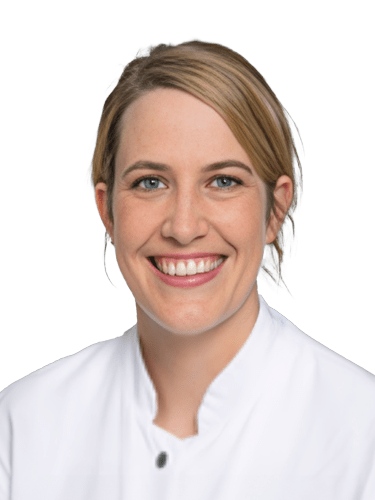
Dr. Anna Duprée is a specialist in visceral surgery and has been working at the Clinic and Polyclinic for General, Visceral and Thoracic Surgery at the University Medical Center Hamburg-Eppendorf since 2009. She completed both her medical studies and her practical year in Hamburg and obtained her doctorate in cardiovascular surgery in 2012. Since starting work at the University Medical Center Hamburg-Eppendorf, her focus has been on minimally invasive surgery. She focuses on the surgical treatment of reflux disease and achalasia as well as bariatric surgery. In addition to her surgical work, she carries out functional diagnostics and consultations as part of the reflux consultation. She also regularly takes part in interdisciplinary case discussions with patients at the University Esophagus Center.
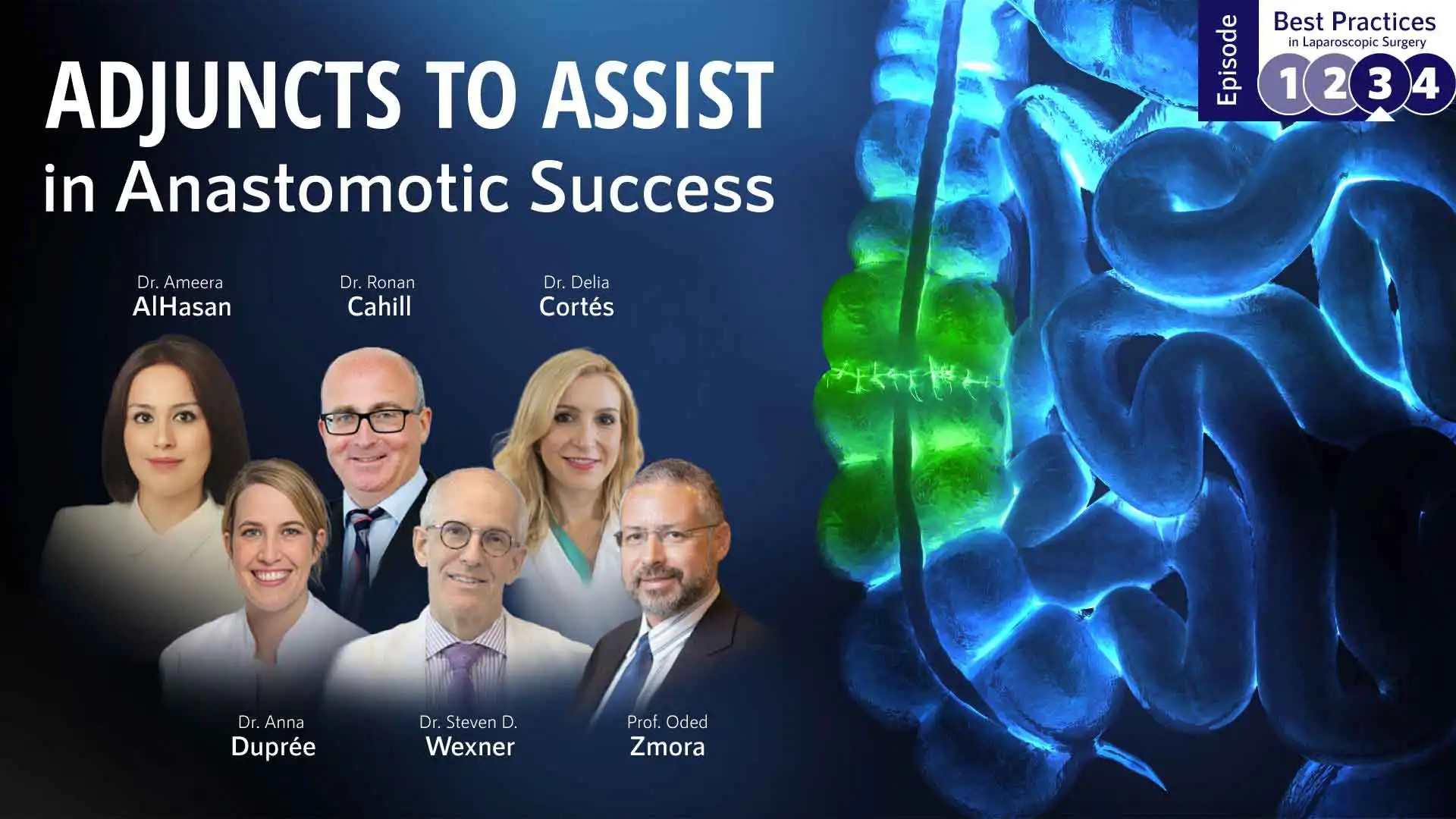
Anastomotic leaks are among the most serious complications in surgery, especially at the proximal and distal ends of the intestinal tract. Despite numerous attempts, many methods to reduce these leaks have not been successful.
With Medtronic
Published
Jul 2024

In this video, the detection and treatment of liver metastasis, lymph node metastasis is discussed, and a brief review of peritoneum metastasis is given. The detection of colorectal liver metastasis (CRLM) has been a research topic for about ten years and there is much unclearness about the dose and the timing of preoperative administration of ICG. Dr. Dupree points out that in her institution it is administered 24 hours prior to surgery rather than 14 hours as is typical in other institutions. It is useful to apply this technique and we can see a lot of fluorescence intensity using FI-ICG. In the case of liver metastasis we definitely gain additional formation by using this technique. There are several publications concerning this issue and all of them show that the best detection rates for CRLM are achieved when it is combined with IOUS and preoperative imaging such as CT or MRI. The main drawback is that the depth of detection is limited, therefore sometimes you can only detect superficial metastasis and not its depth. Most experts recommend combining all imaging possibilities such as intraoperative ultrasound, preoperative imaging, and FI-ICG during operation. A study has shown that it has no oncological benefits although doctors are finding more lesions in the liver. It is important to bear in mind that sample size is a little bit too large to see a significant difference. It also allows for lymph node mapping in the gastrointestinal tumor.
With Karl Storz
Published
Feb 2022
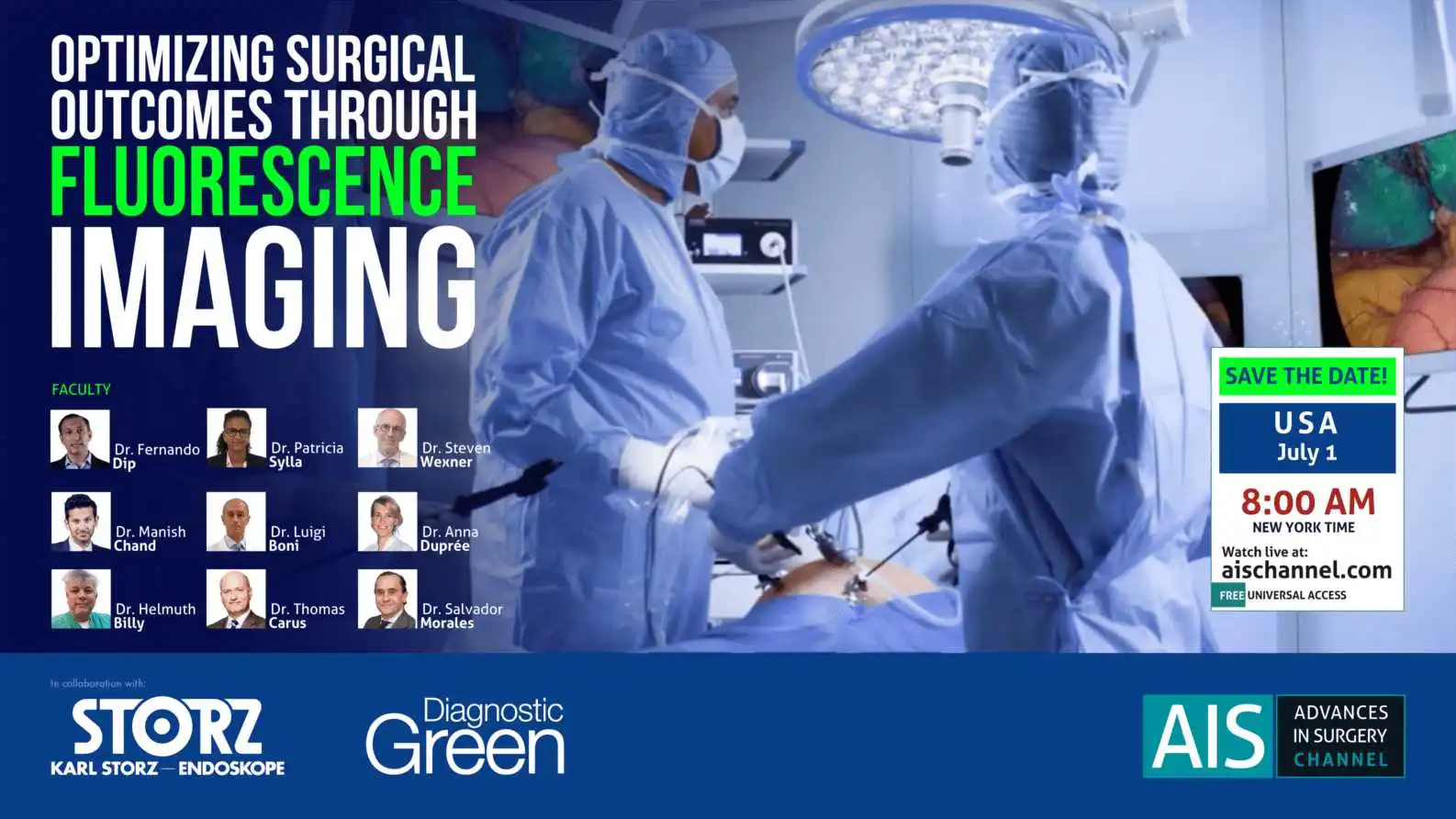
Fluorescence Imaging event presented by Dr. Manish Chand and Dr. Steven Wexner.
With Karl Storz
Published
Jul 2021
Help your network discover Dr. Anna Dupreé's clinical expertise.