

Innovation & Emerging Technology, Clinical Outcomes & Patient Safety, Global Health & Access
Boston Scientific is dedicated to transforming lives through innovative medical solutions that improve the health of patients around the world. Our work is guided by core values that define Boston Scientific culture and empower our employees.
We’re dedicated to collaborating with healthcare professionals to develop a broad portfolio of meaningful innovations that improve outcomes, reduce costs, increase efficiencies and—most importantly—help more people in more places around the world live longer, healthier lives.
Our vision is to have an “Unrelenting pursuit of employee health, safety and environmental excellence while supporting Boston Scientific in becoming the highest performing global medical solutions provider”.
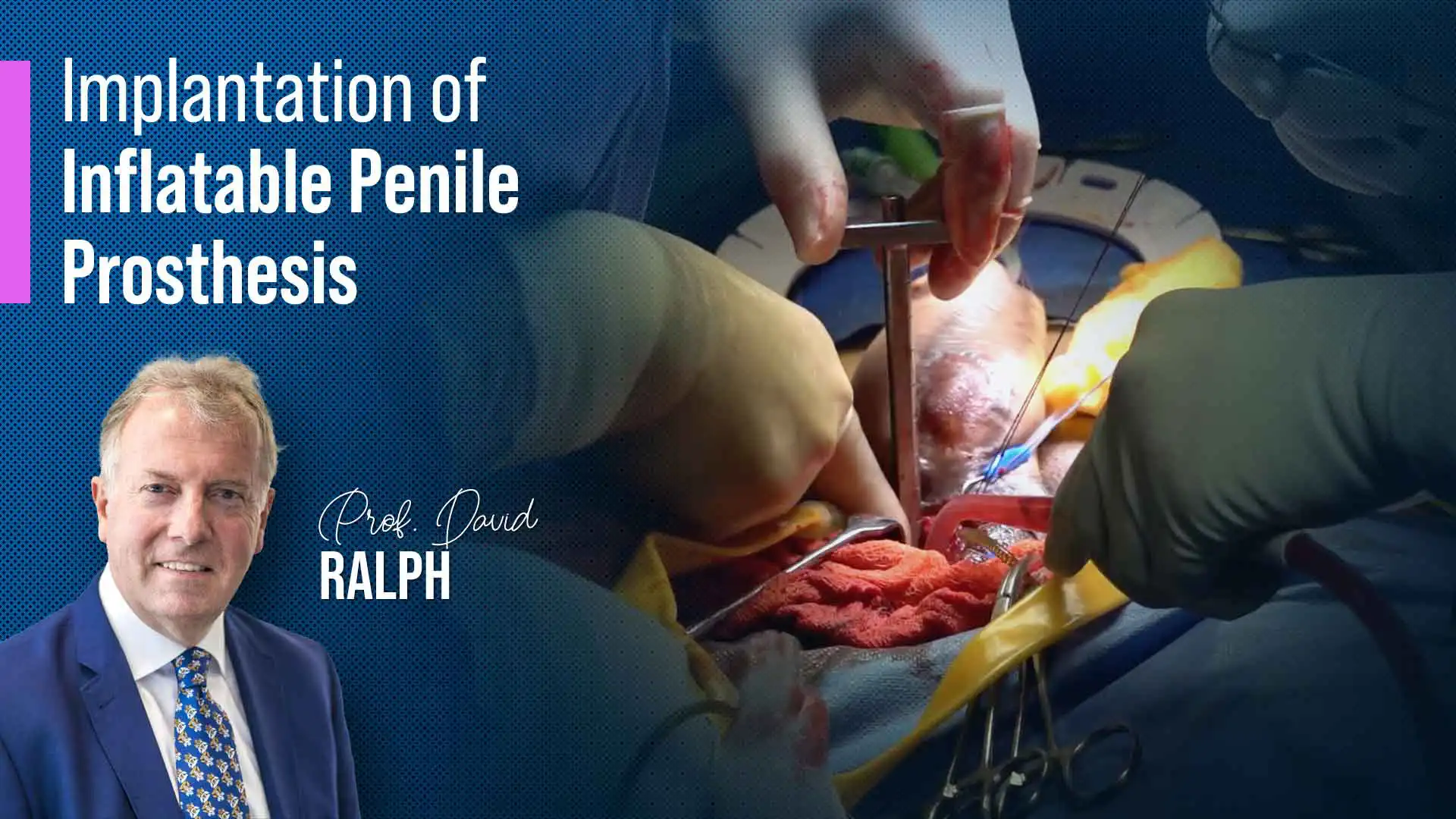
Prof. David Ralph (UK) and his team at the University College London Hospital (UK) will implant an inflatable penile prosthesis and answer all your questions. PROGRAM: Welcome and Introduction Case Presentation Surgical Procedure - Steps Closing Remarks
Published
Dec 2024
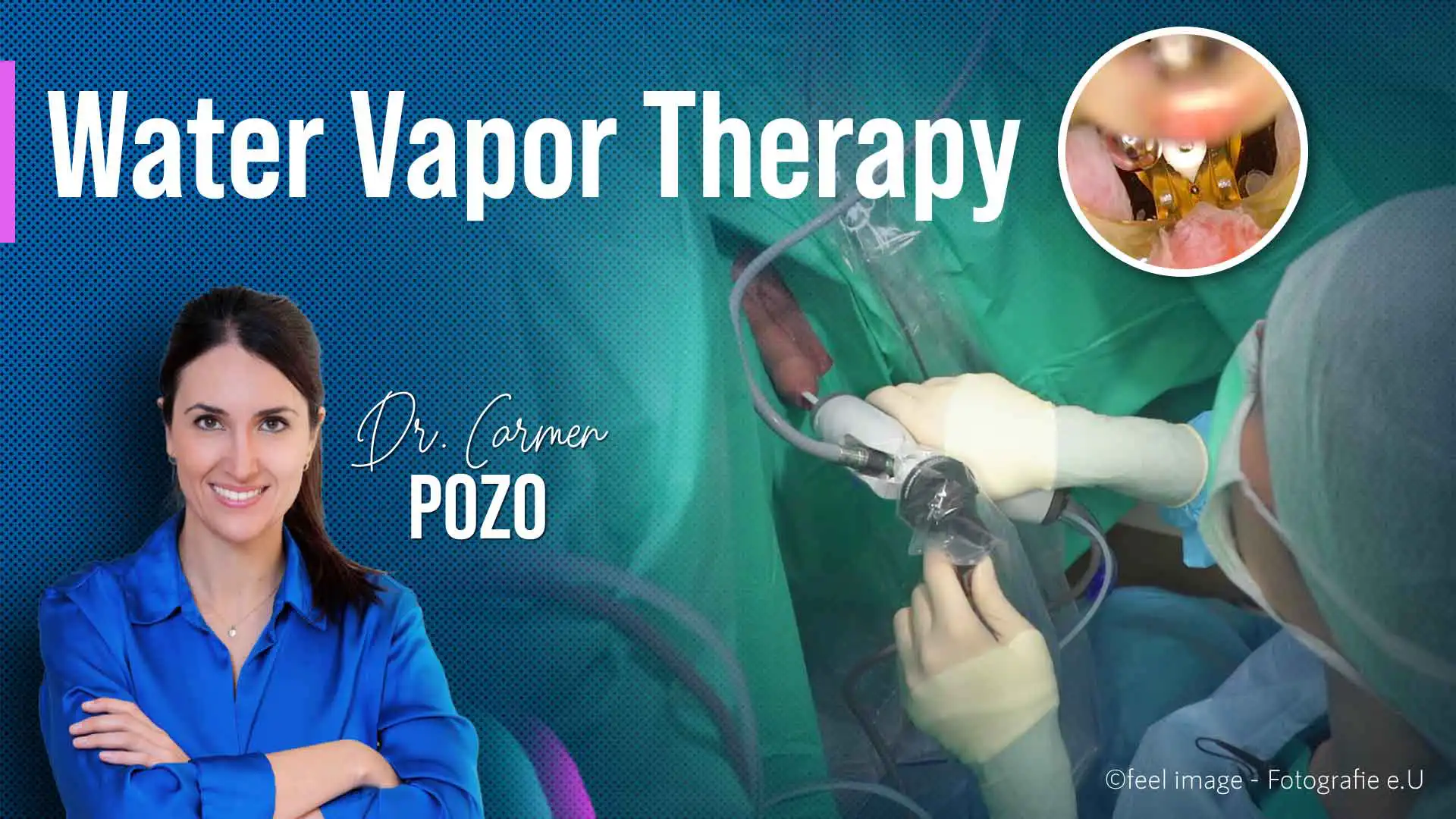
Dr. Carmen Pozo (Austria) and his team at the Klinik Donaustadt (Austria) will perform a Rezūm Water Vapor Therapy for Prostate and answer all your questions. Clinical history: 57 years old, male. 40g prostate volume. Mild LUTS. The patient is interested in preserving the anterograde ejaculation and going back to work as soon as possible. Other history: No allergies No other surgeries. Taking Tamsulosin for his LUTS and Candesartan for his blood pressure Technique description: Rezūm Water Vapor Therapy utilizes convective radiofrequency to create stored thermal energy in the form of steam, which is delivered transurethrally into the transition zone of the prostate to ablate tissue, thereby reducing LUTS. In other words, upon contact with body-temperature tissue, the water vapor then condenses. This phase shift to a liquid state dispenses concentrated energy onto the cell membranes of the target tissue, triggering instant cell necrosis. Typically it does not require general anesthesia. Symptoms relief are usually noticed within the first three months after the procedure and it has also been shown to preserve sexual function through five years after the procedure. Procedure steps: Perform a transrectal prostate block with Lidocaine 2% Scrub and prepare the sterile field and the system: the system comprises a radio frequency (RF) generator and a single-use transurethral delivery device. To incorporate the standard 4 mm 30-degree cystoscopy lens, use a bit of lubricant. Perform the priming steps, following the instructions of Rezūm generator Introduce the transurethral delivery device smoothly until the bladder neck. Measure the distance from the bladder neck to colicullum, taking into account that the distance between the needle and arms (1FOV) is 0.5cm, and plan the number of injections to be delivered: 1 injection every 2cm. The treatment begins with the needle tip visually positioned and inserted beginning approximately 1 cm distal to the bladder neck. The treatment needle is retracted after each vapor injection and repositioned in 2 cm increments distally from the previous site to the end of the prostatic tissue just proximal to the verumontanum. In the case of the middle lobe, treat it with a 45-degree angle. Retire the device and insert a catheter Training Objectives: Candidate selections. Know how to perform the procedure. Postoperative care.
Published
Apr 2024

PD Dr. Hannes Cash (Germany) and his team at the Meoclinic Berlin (Germany) will perform a Greenlight Vapoenucleation of the prostate and answer all your questions. Clinical History: 74 years old, male. Prostate volume: Catheter due to retention 3 weeks prior to surgery. Urinary tract infection with Pseudomonas - treated with meropenem started 1 day prior to surgery. Negative prostate biopsy due to rising PSA of 9.9 ng/ml 2 months prior to laser surgery. Other history: No co-morbidities, no further medications or anticoagulants. Technique description: Vapoenucletion of the prostate using the GreenLight XPS™ Laser Therapy System. Using the anatomical approach of anatomical endoscopic enucleation of the prostate (AEEP), the GreenLight XPS™ Laser Therapy System enables surgeons to improve and enhance the durability of the established vaporization of the prostate. Procedure steps: Scoping the bladder to check for ureteral orifices. Setting the laser to 180 Watts for vaporization and creating a vaporization channel using the classic PVP technique. Demarking the apical adenoma and developing the enucleation plane dorsally. Releasing the apical adenoma. Centrally vaporizing the liberated adenoma in a stepwise manner. Performing vaporesection at the bladder neck and releasing the ventral aspect of the adenoma. Conducting apical ventral dissection. Repeating the procedure on the contralateral lobe. Performing vapoenucleation of the middle lobe. Conducting final touches at the bladder neck and apical region. Flushing out resectioned pieces. Catheterization. Training Objectives: Going beyond the classical vaporization technique of GreenLight XPS™ Laser Therapy System. Emphasizing anatomical landmarks and apical dissection. Implementing a step-by-step approach that offers "escape" routes during the learning curve.
Published
Apr 2024

Dr. Elisha Fredman (Israel) and his team at the Davidoff Cancer Center, Beilinson Hospital (Israel) will perform a SpaceOAR VueTM and fiducial marker insertion and answer all your questions. Clinical History: 66 years old, male. No significant past medical history. Favorable intermediate-risk prostate cancer diagnosis. 38cc (based on diagnostic 3T MRI) prostate size. Initial Presentation: Technique description: SpaceOAR VueTM and fiducial marker insertion. Procedure steps: Preparation - Prepare the SpaceOAR VueTM system and assemble the necessary equipment. Anesthesia and positioning - Administer local anesthesia, and position the patient on the procedure table. Marker insertion - Insert gold fiducial markers into the prostate. SpaceOAR VueTM insertion - Perform hydro dissection, insert SpaceOAR VueTM, and confirm placement. Closure - Verify positioning, remove instruments, and provide post-procedural care instructions. Training Objectives: Develop proficiency in SpaceOAR VueTM insertion technique. Master the process of fiducial marker placement. Acquire expertise in procedural monitoring and post-procedural care.
Published
Mar 2024
Share it with your network and help spread clinical knowledge.